Google Ads account structure: best practices & complete guide
A properly built Google Ads account is the foundation of profitable paid traffic. Many businesses focus on ads and bids, but ignore structure.
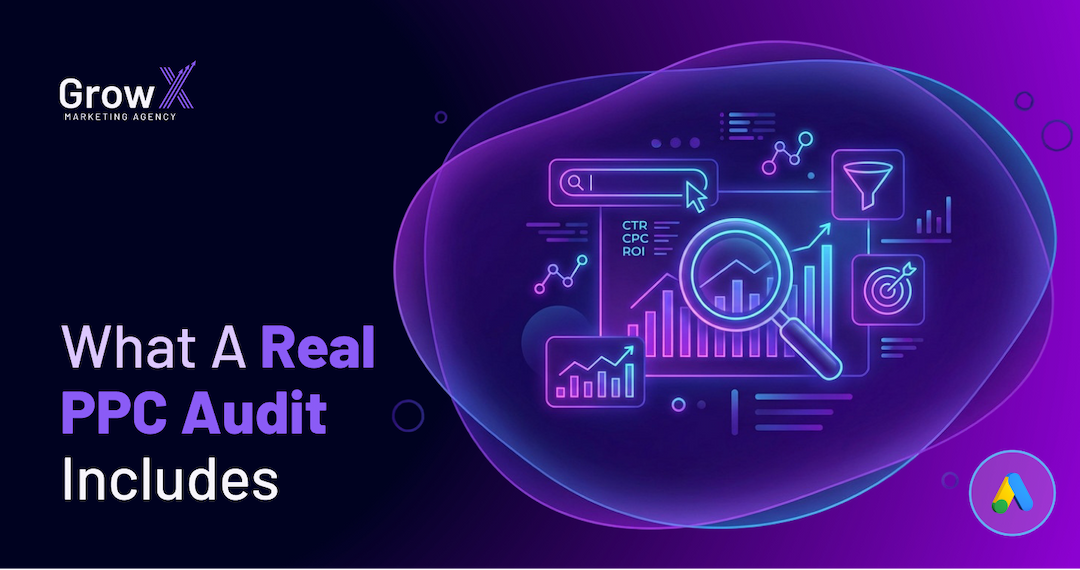
PPC audits have changed a lot over the past few years. With automation and Smart Bidding taking over Google Ads, it’s no longer enough to just check CTR, CPC or keyword lists.
Today, PPC account performance means understanding how the entire system works together - where the budget goes, why Google makes certain decisions and what actually impacts profitability.
Modern processes focus less on isolated metrics and more on the full picture: conversion quality, landing page performance, tracking accuracy and how effectively campaigns generate real business results.
What you’ll learn from this article:
PPC audits look very different today compared to just a few years ago. Earlier, the main focus was usually on technical fixes, keyword performance and manual bid adjustments.
Now, with Google relying heavily on automation and AI-driven bidding, this process has become much deeper. It’s about understanding how the system learns, what signals it uses and whether the account structure supports profitable performance.
Before 2023, most PPC methodology approaches were heavily manual.
Audits usually focused on:
At that stage, this theme account performance was mostly a technical review focused on fixing visible problems and improving click-level metrics.
Between 2024 and 2026, Google Ads moved strongly toward Smart Bidding strategies like tCPA, tROAS, Max Conversions and Max Conversion Value.
Modern PPC audits no longer focus on manual bids or keyword tweaks. They now assess how the full system performs and where profit is gained or lost.
Key focus areas include conversion quality, audience signals, landing page UX, Smart Bidding learning conditions and tracking accuracy.
The goal shifted from fixing settings to improving how automated systems make decisions and align with business goals.
Today, a full audit looks at the entire conversion ecosystem:
Clicks alone no longer define success. Even campaigns with strong CTR can lose money if landing pages, signals or targeting quality are weak. This is why modern PPC processes focus on systems instead of isolated settings.
A modern PPC audit is no longer about vanity metrics or surface-level checks. In 2026, the main focus is profitability, conversion quality and how efficiently the system spends budget.
Because automation now handles much of campaign management, many problems are hidden deeper inside the account. That’s why modern PPC audits require a broader analysis of tracking, bidding behavior, landing pages and overall business impact.
Clicks are no longer the main KPI.
Modern audits prioritize:
This shift happened because Smart Bidding systems optimize around conversion signals, not just traffic generation. Without reliable conversion data, even advanced automation becomes inefficient.
Keywords still matter, but audience signals now influence campaign performance far more than before.
Modern PPC methodology focuses heavily on:
Today, Google Ads and analytics integration is critical.
Modern audits evaluate:
Without proper Google analytics integration, businesses often misinterpret campaign performance and optimize the wrong actions.

Even advanced accounts still waste budget because many types of this process focus on surface metrics instead of system behavior and signal quality.
In many PPC audits, teams stop at CTR, CPC or basic structure and miss how the account actually learns and optimizes, which creates blind spots in performance.
Another common issue is weak conversion tracking or limited landing page review. If data or UX is flawed, the system will still allocate budget inefficiently.
One of the most common mistakes is evaluating Performance Max campaigns like traditional search campaigns.
Automated systems distribute budgets dynamically across audiences, placements and intent signals. If audits focus only on CTR or CPC, they often miss deeper inefficiencies.
A focused and effective process must evaluate whether automation aligns with actual business goals and profitability.

Incomplete tracking remains one of the biggest reasons campaigns underperform.
Modern audits must verify:
Without accurate tracking, automated bidding systems optimize using incomplete data.
Many accounts still waste money because negative signals are poorly managed.
Modern PPC audits analyze:
This is especially important in automated campaigns where algorithms need stronger filtering signals.
A good PPC audit report should not just list issues. It should rank them by business impact.
Some problems affect results much more than others. The priority is always ROAS, CPA and conversion impact.
High-impact issues like tracking errors, budget waste or weak landing pages come first. Smaller fixes can be handled later. This keeps the special process focused and effective.
Modern audits prioritize:
Fixing high-impact issues first often produces faster performance improvements than optimizing small technical details.
A strong process should focus on business impact, not just isolated metrics.
Instead of simply listing numbers, the modern PPC process should show how specific issues affect ROAS, CPA, profitability and overall campaign efficiency.
The goal is to clearly identify where budget is being wasted, what drives real value and which optimizations can improve performance fastest.
A complete PPC audit should always lead to action.
Recommendations should include:
If you need strategic guidance, you can always need marketing advice from a professional marketing team.
Today, a good audit is an ongoing review of how the system actually performs - how automation uses data, how budget is distributed and whether campaigns continue generating efficient results over time.
Instead of only checking settings, modern PPC audits focus on keeping the entire account aligned with current platform behavior and business goals.
A modern PPC audit should go beyond basic checklists and surface metrics.
A solid framework covers business goals, account structure, conversion performance, along with landing page quality, Smart Bidding behavior, and audience signals.
It also includes budget allocation, competitor insights, tracking accuracy and profitability to ensure real efficiency. This creates a more focused process aligned with actual business outcomes.

If you need a professional PPC auditing service or want to submit a quote request, strategic audits can help reduce wasted spend and improve long-term campaign profitability.
In automated systems, accounts change constantly because algorithms continuously adapt to new signals and auction behavior.
That’s why businesses should perform PPC audits at least once every six months. High-spend or rapidly scaling accounts may require quarterly reviews.