AI vs human writing: which blog content strategy truly drives business growth?
The debate around AI vs human writing is no longer theoretical. It affects budget allocation, brand positioning and long-term growth.
Key takeaways:
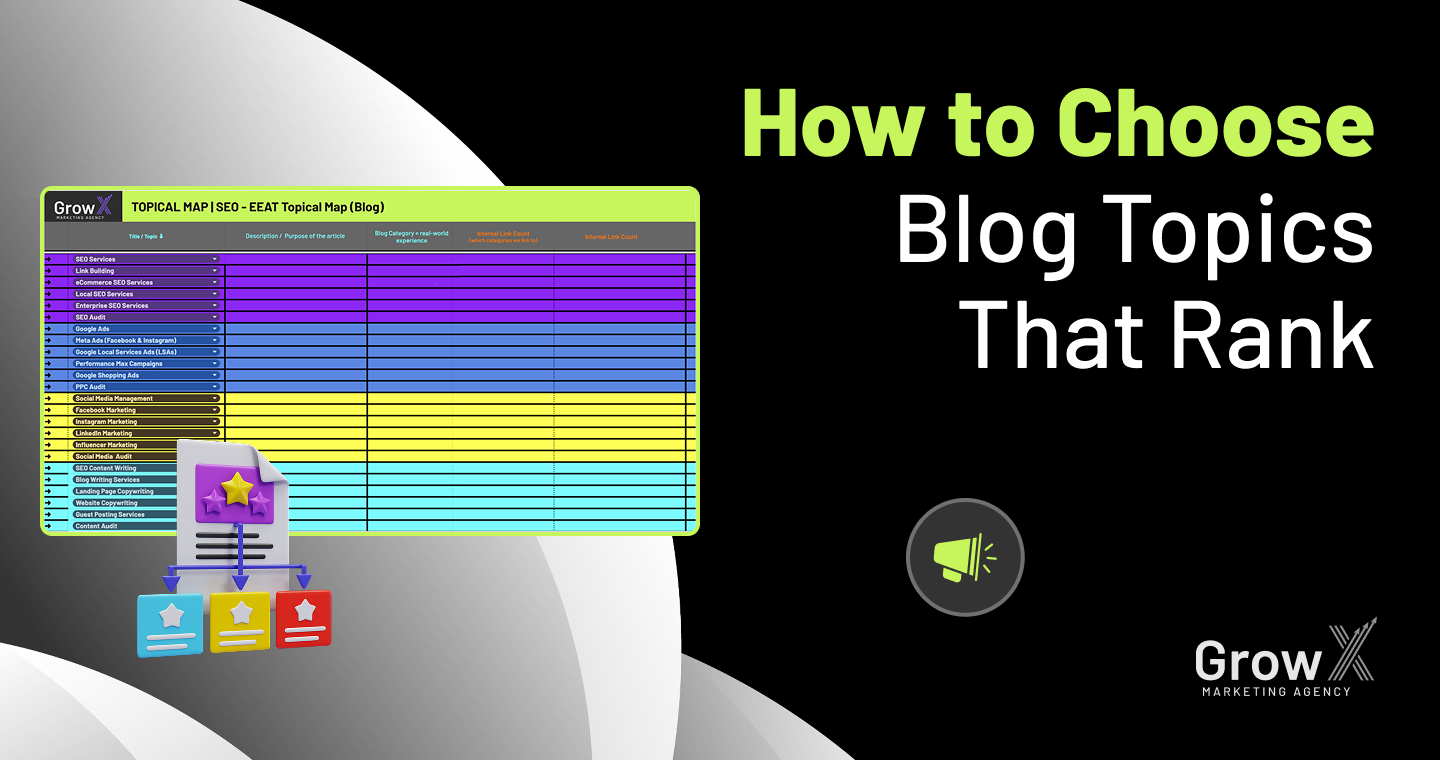
Choosing the right blog topic isn’t about copying competitors - it’s about building authority that supports real business goals and drives traffic. Our blog writing process starts with a topical map based on EEAT, not random keywords. From there, we expand ideas that fully showcase the service we want to sell, helping increase Google search results sustainably.
Many brands focus on publishing more content. Few focus on publishing the right relevant blog content. Strategic selection builds long-term visibility and strengthens your brand position.
Topical authority grows when you cover a niche deeply, not broadly. For example, if you promote SEO services, your best topics for blogging should include real experience, case breakdowns and trust-building insights.
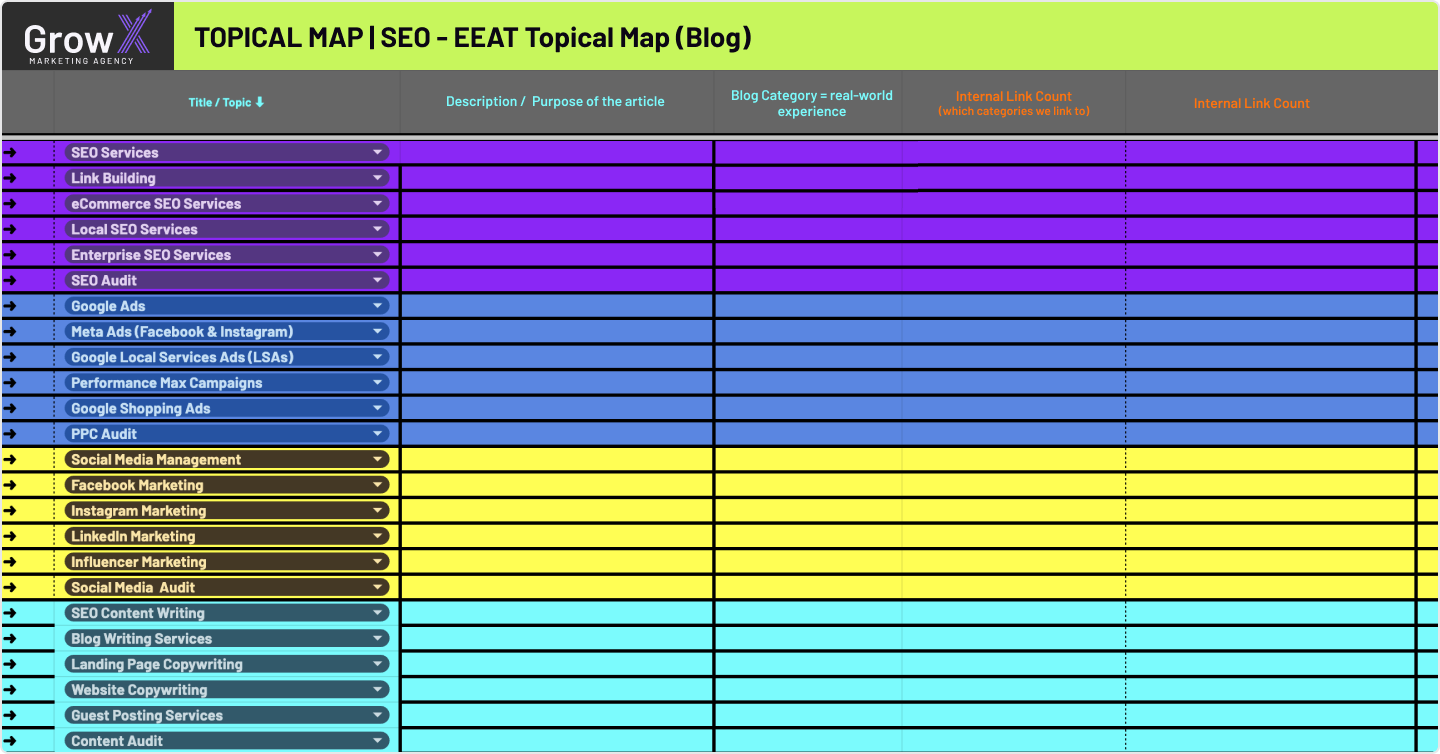
When we build a topical map based on EEAT, each article supports the next. We avoid duplicates and create a logical content ecosystem.
This structure makes your blog more visible in search results because Google sees consistency and expertise.
An effective blog supports sales, not just impressions. It explains services, answers objections and demonstrates results.
Strong blog ideas connect content with business outcomes. They educate readers and move them closer to conversion.
If your articles clearly reflect your expertise, they also strengthen brand perception and support increasing Google search results organically.

When you create content based on real customer questions, you naturally attract qualified traffic.
Instead of writing generic guides, focus on topics that reflect real scenarios. Share how you achieved specific results. Offer a unique perspective that competitors cannot copy.
After selecting a topic from the topical map, we validate it in SE Ranking, checking keywords, competitors and search volume. Business relevance comes first - data confirms potential.
We analyze search intent to match what users expect and adjust structure or positioning if needed. Then we assess keyword difficulty, volume and competitor content to spot gaps and opportunities.
Finally, we confirm the topic has realistic ranking potential and aligns with revenue goals before creating content.
Not every search has the same purpose. Behind each query is an expectation and if your blog ignores it, even well-written content may not rank.
Understanding intent lets you shape headlines, structure and arguments to match what users expect, turning traffic into meaningful engagement.
Competitor research comes after topic selection. We review how others structure their posts, which keywords they use and what they miss.
Tools like a keyword planner help estimate demand, but they should not define your strategy. Your business goals come first. Keywords refine, not dictate.
Most competitors repeat the same surface-level advice. Look for content gaps such as missing case studies, unclear frameworks or lack of trust signals.
Filling these gaps with high-quality insights improves visibility and authority in search results.
A strong framework starts with understanding what you want to sell. Each blog topic should clearly reflect your service or product and its value.
Group topics into clusters using a topical map to avoid overlaps and keep content organized. Research your niche and audience needs to ensure relevance and uncover gaps competitors miss.
Start with business analysis. Define your core offer and ideal client. Then identify your niche clusters. Each cluster should connect to revenue, not just traffic.
If you need inspiration, reviewing a real online marketing portfolio can show how structured content supports measurable growth.
Interview sales teams, analyze customer questions and study objections. This research helps you choose a blog topic that solves real problems. It also ensures your content remains relevant and aligned with demand.
A topical map prevents duplication and keyword cannibalization. When we build one, we categorize topics by EEAT pillars:
This system keeps your blog writing structured and strategic.
Not all topics deserve equal attention. Prioritize content that drives impact by assessing relevance, alignment with your service or product and lead potential. Combining these factors with search data ensures informed decisions.
For expert guidance, consult our growth marketing experts.
Your strongest asset is experience. Writing about what you know deeply lets you share actionable insights, tested processes and real results. This builds credibility, trust and authority, while creating content that engages readers and drives long-term traffic growth.
Use tools to estimate traffic potential. Look at volume, difficulty and intent. Calculate how many visitors could realistically convert. Even a small-volume topic can generate leads if it matches commercial intent.

Combine business priorities with keyword research. Plan a step-by-step publishing roadmap. Align each topic with funnel stages.
If you need structured content blog writing, explore professional blog writing or copywriting services. That focuses on strategy, not just text.
A carefully chosen blog topic can only perform if it is developed thoughtfully, aligned with audience intent and structured for both readers, and search engines. Planning, writing, optimization and measurement all work together to make your content effective.
Avoid thin articles. A high-quality post goes beyond surface-level information, including examples, case studies, data and clear explanations. Add actionable insights readers can apply to make content useful and memorable.
Depth also helps SEO. Well-structured posts increase dwell time, signal authority and improve ranking potential. Engaged readers turn your content into a stronger asset for increasing Google search results and attracting consistent, relevant traffic.
Track impressions, clicks and conversions. Update underperforming posts. Expand sections that attract traffic.
Content strategy is not static. Continuous optimization helps your blog grow steadily.
If you need marketing advice, consult our specialists Grow X who can audit and refine your framework.


Start with business goals, not keywords. Build a topical map around your core service. Then validate demand using tools and competitor insights.
Trending topics can bring short-term traffic. However, evergreen relevant blog topics tied to your niche create stable growth and authority.
Align content with search intent. Optimize titles and headings. Use natural keyword placement. Ensure depth, structure and internal linking.