Building a consistent brand voice across social media: a strategic framework
In crowded markets, this is a strategic asset. With fast, automated and often interchangeable content, a clear voice sets you apart.
Key takeaways:
Social media algorithms determine what users see on their feeds. They are not myths - they are the systems that decide which content reaches the right audience.
Algorithms analyze behavior, interactions and patterns to personalize content. Every platform uses ranking systems to prioritize posts, extend exposure or limit reach.
Early engagement matters: strong signals can boost a post, while weak signals slow its distribution. Understanding how these algorithms work is essential for maintaining visibility on social media.
Algorithms act as filters. Millions of posts are published daily, but users see only a fraction. These systems are designed to maintain visibility and engagement by prioritizing relevance and predicted interest.
Ranking systems evaluate past interactions, type preferences and behavioral patterns. They decide what content appears based on what similar users engage with.
If a person often watches educational videos, the system will prioritize similar content. If someone engages with short-form entertainment, that format becomes dominant. Algorithms analyze signals continuously to personalize content for each user.
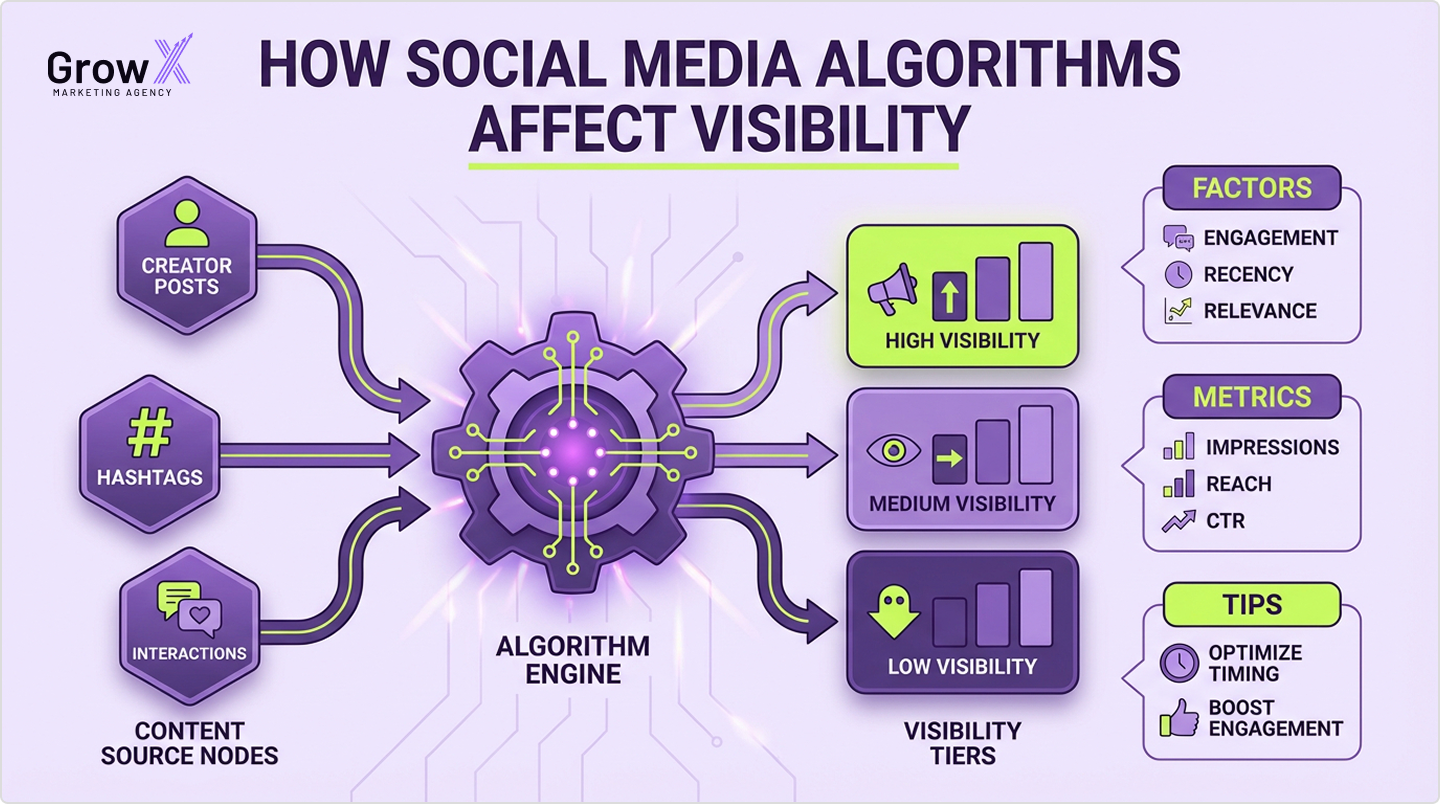
Engagement is one of the strongest ranking factors. Likes, comments, saves, shares and watch time tell the system whether content deserves broader exposure.
Early interaction is especially important. Platforms test new content with a small percentage of followers. If that first audience responds well, reach expands. If not, distribution slows down.
Posting frequency and timing affect initial testing. Inconsistent posting can reduce momentum. Overposting low-value content can weaken trust signals.
However, timing alone does not guarantee results. Relevance and audience alignment matter more than publishing at a specific hour.
Reach changes because algorithms constantly evaluate performance. Early engagement, meaningful interactions and watch time signal quality, and boost distribution. Original content and platform-specific relevance matter. Repeated posts or misaligned messaging can limit visibility. Focusing on value, consistency and audience alignment helps content reach more users naturally.
The core goal of every social media platform is attention. To keep users engaged, platforms prioritize content that feels relevant.
If it solves a problem, educates or entertains meaningfully, engagement improves. Without value, visibility on social media declines even if production quality is high.
A strong formula for reach often includes a clear hook, dynamic visuals, expertise and a clear call to action. But value remains the foundation.
Algorithm updates adjust ranking logic. Platforms refine how they measure watch time, originality or meaningful interactions.
For example, repeated reposting of identical visuals may reduce exposure on some platforms. Others may tolerate replication differently. Adapting to social media algorithms requires continuous observation and testing.
Sometimes a post performs well but still loses reach. This can happen when distribution tests end or when the audience pool becomes saturated.
Another reason is misalignment with platform priorities. A viral post may gain attention but not contribute to long-term brand growth if it lacks strategic relevance.
Not all algorithms behave identically. Content that performs strongly on one platform may struggle on another, even if the topic and format are similar. Every social media platform builds its ranking logic around user intent, session behavior and engagement patterns.
Social media algorithms are designed to keep users engaged within their specific environment. That means distribution rules reflect platform culture, consumption habits and interaction style. Visibility on social media depends not only on quality, but also on contextual alignment.
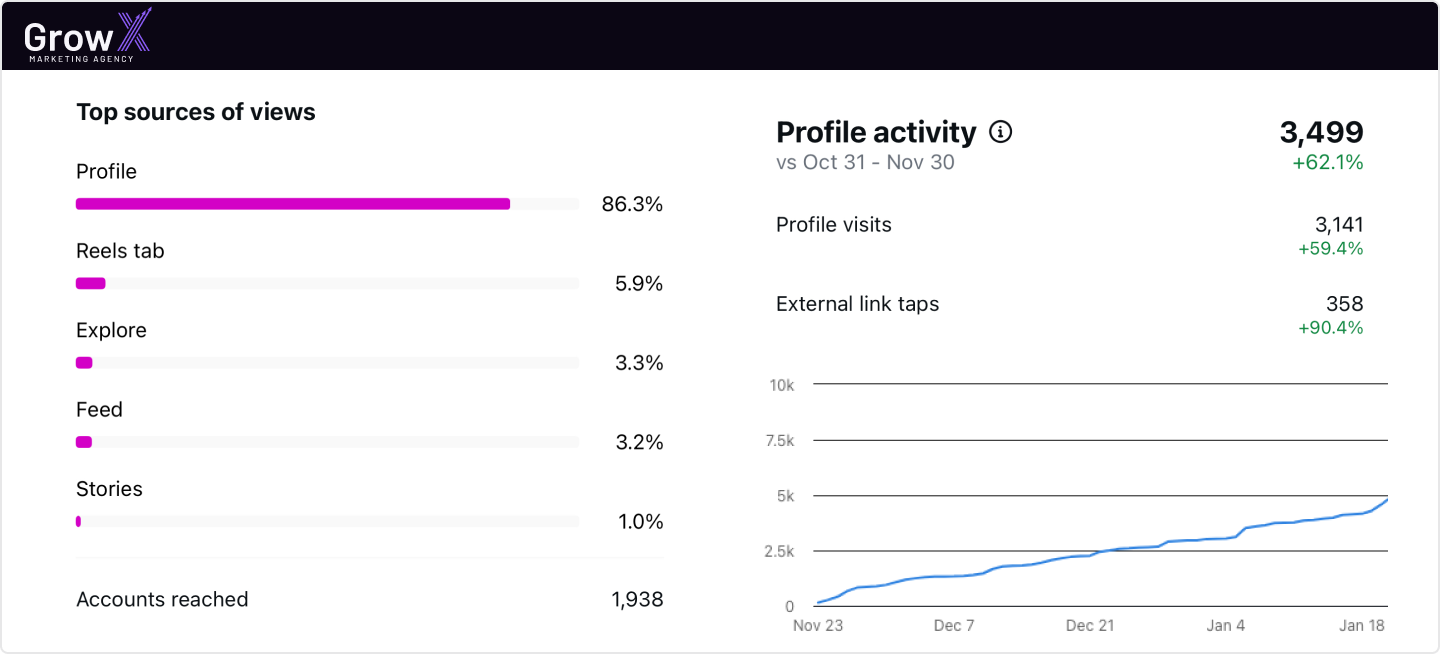
Facebook prioritizes personal connections and meaningful interactions. Instagram emphasizes visual engagement and retention. LinkedIn favors professional insights and thought leadership.
Because algorithms use different ranking signals, content reaches the right audience only when tailored to platform behavior.
Audience intent differs. On LinkedIn, users expect expertise and industry discussion. On Instagram, entertainment and lifestyle dominate. On Facebook, community and relationships matter.
Publishing identical content everywhere often reduces performance because ranking systems interpret engagement differently.
Each algorithm may weigh watch time, shares or comments differently. Some prioritize originality, while others reward trend participation.
Understanding how these algorithms work allows marketers to adapt format, tone and message for each environment.
Content evaluation continues after publishing. Platforms first show posts to a small audience and track interactions. Algorithms then expand reach based on engagement, retention and user response. Understanding this staged process is key, as reach depends on both quality and early audience reactions.
The first minutes are critical. Early likes, comments, shares or watch time signal relevance. For videos, retention is key - sustained attention can boost reach, while drop-offs limit distribution. Strong hooks and clear value help content perform in these crucial moments.
High completion rates, meaningful comments and saves indicate deeper interest. Algorithms analyze these behaviors to decide what content deserves additional distribution.
Consistency also matters. Accounts that regularly publish relevant material build stronger predictive trust signals.

Platforms stop distributing content when engagement drops below threshold levels. This prevents low-interest posts from cluttering feeds. Content fatigue, repetition or lack of originality can reduce long-term reach.
Algorithms are not enemies - they filter content to show users what is most relevant. Strategy should focus on audience value, not shortcuts. Content that educates, entertains or inspires gains visibility more reliably. Sustainable visibility comes from aligning with user expectations, platform behavior and long-term brand goals.
Understanding how these algorithms work helps creators align with user expectations. Instead of chasing hacks, focus on relevance and consistency. Working with your audience, not against the system, improves sustainable visibility SMM.
Format influences retention. Short dynamic videos may capture attention quickly. Educational carousels may drive saves and shares.
However, no format replaces strategic alignment. Content must match audience intent on every social media platform to maintain visibility and engagement.
They filter and rank posts based on engagement, relevance and behavior. Strong signals increase exposure, while weak signals limit reach.
Engagement quality, watch time, relevance, originality, audience behavior and platform-specific priorities all affect ranking decisions.
Focus on audience value, strong hooks, meaningful engagement, consistent posting and adapting to social media algorithms instead of copying trends blindly.