Social media algorithms: understanding their impact on content visibility & reach
Social media algorithms determine what users see on their feeds. They are not myths - they are the systems that decide which content reaches the right audience.
Follower engagement has become the real currency of digital marketing. Many brands still chase numbers, but more followers and less engagement often leads to weak results. If you want growth, you must understand why engagement matters and why it beats vanity metrics.
Today, social platforms reward interaction, not audience size. If you’re not creating conversation, your content won’t scale. Businesses need to focus on engagement to reach the right audience and convert attention into value.
Key takeaways:
Many brands still treat follower growth as the main success metric, but this approach often leads to misleading conclusions. In reality, without consistent interaction, audience size brings little value. That’s why effective management of social media should focus not just on growth, but on building active, responsive communities that drive real results.
Follower count shows potential reach, not real influence. You may have thousands of users, but if they’re inactive, they don’t contribute to growth.
Many brands gain new followers through ads or viral posts. But without interaction, these audiences remain passive. This is why follower growth alone is not a reliable goal.
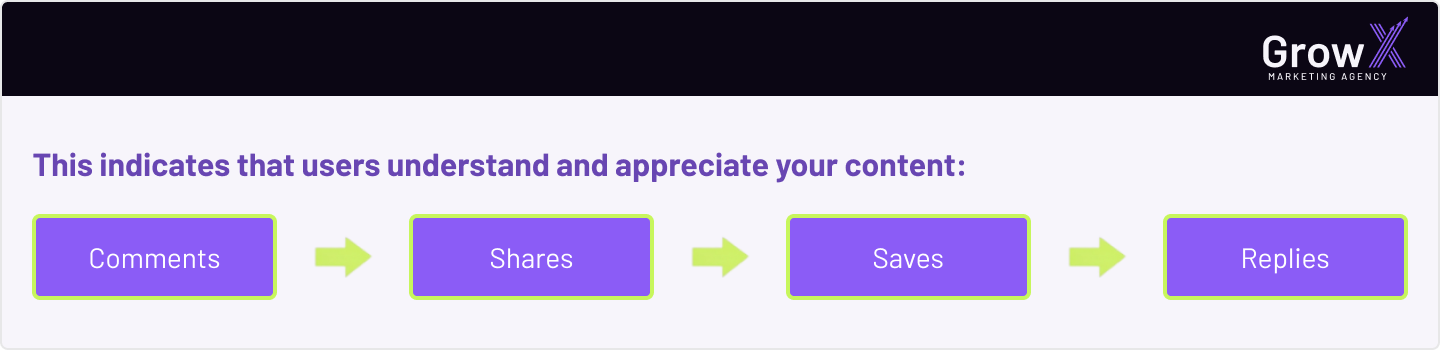
These metrics reflect real interest. Comments, shares, saves and replies show that users understand and value your content.
If people interact, they trust you. If they trust you, they’re more likely to convert. This is why engagement matters more than raw numbers.
Vanity metrics create false confidence. High follower counts may look impressive, but they don’t guarantee results.
If you’re measuring success only by followers, you’re ignoring performance signals that actually drive revenue.
Modern social platforms are built to maximize attention, not follower count. Their main goal is to keep users engaged, which is why algorithms prioritize interaction over audience size. Even brands working with experienced digital marketing providers must adapt to this logic: without engagement, reach becomes unstable regardless of how many followers you have.
In practice, this means that content distribution depends on how users react, not how many people follow you. If engagement is strong, visibility grows. If not, even large accounts can lose reach quickly.
Every platform uses special signals to decide what content to show. Algorithms analyze likes, comments, shares and watch time. If interaction is strong, content reaches more users. If not, distribution stops quickly.
Not all engagement is equal. Saves and comments signal deeper interest than likes.
Watch time is critical for video. If users stay, algorithms expand reach. If they leave early, visibility drops.
Even large pages can struggle. If followers don’t interact, the platform limits exposure.
Engagement beats audience size in every scenario. After all, why would a platform promote your content if your own audience ignores it?
Engagement is not just a content metric - it directly affects revenue. When brands shift from passive reach to active interaction, they build stronger relationships that convert into real business outcomes. If you’re aiming to turn social media into a growth channel, it’s important to treat engagement as a core KPI and not just a secondary signal.
If you want to evaluate your current performance, you can always request a quote to get expert insights.
Engagement creates dialogue. When users reply, comment and ask questions, brands build relationships. This interaction turns content into conversation. Over time, it builds authority and credibility.
An engaged audience is already interested. They understand your value and are more likely to act. If you’re running campaigns, engaged users respond faster. This improves conversion rates and lowers acquisition costs.
Engagement supports retention. Users who interact regularly are more likely to return. They become loyal customers and even advocates. This is how engagement drives long-term growth.
Engagement does not happen by chance. It is the result of how well content aligns with user behavior, expectations and context. To understand why engagement matters, brands must look beyond formats and focus on what actually motivates people to react, respond and participate in conversation.
Users engage when content feels relevant. People don’t want noise. They want meaning, value and emotion.
Today, users are more selective. They choose brands that align with their interests and values.
Short videos, strong hooks and dynamic visuals capture attention. Educational content drives saves and shares.
But format alone is not enough. Content must deliver value and create a reason to interact.
Context matters. The same content can perform differently across platforms. Understanding audience behavior helps content reach the right users at the right time.
When timing, message and format align, metrics grow more consistently.
An effective social media strategy in 2026 starts with a clear shift in mindset. Instead of focusing on surface-level growth, businesses need to prioritize meaningful interaction. Engagement creates the foundation for visibility, trust and long-term performance.
Instead of chasing numbers, build relationships. Focus on interaction, not just reach.
If you’re starting from zero, engagement should be your priority. Growth without interaction rarely leads to results.
Explore our professional support for approach to Social Media Management.
Building these processes requires consistency and intention. A strong approach includes:
To deepen your knowledge, explore insights on the social media blog or submit a request for a quote to get tailored guidance for your strategy.

Yes. Likes are a weak signal. Comments, saves and watch time show deeper interest and influence reach more.
Not always. Some inactive users are normal. Focus on improving content quality instead of removing followers.
This usually means your content does not match audience expectations. It may also result from outdated strategies or irrelevant messaging.