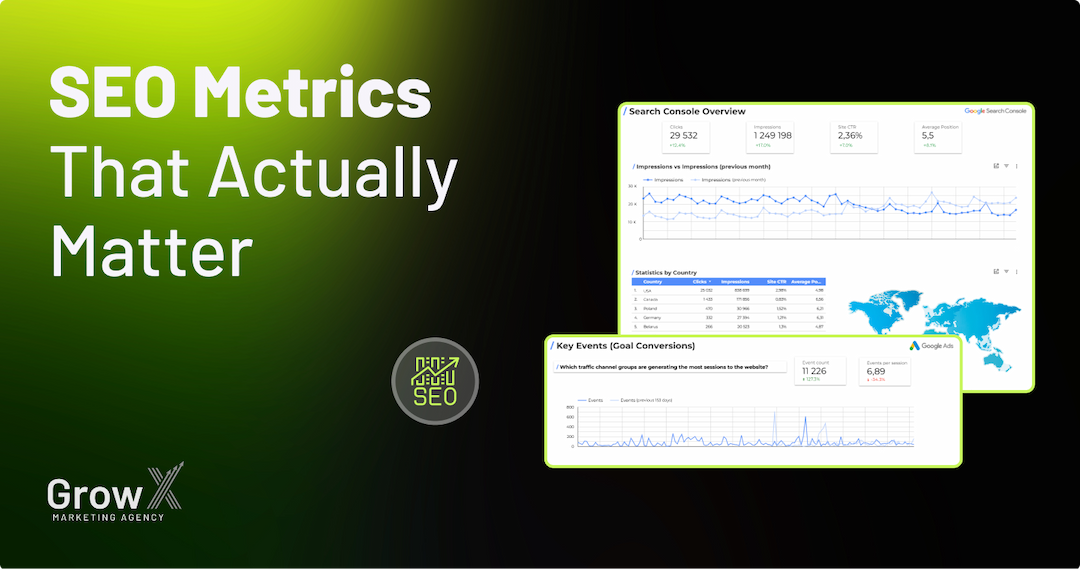
SEO Metrics That Actually Matter (and What Most Reports Completely Miss)
Most SEO reports look impressive but don’t help leaders make decisions. They list rankings, sessions and charts without explaining what actually drives revenue.
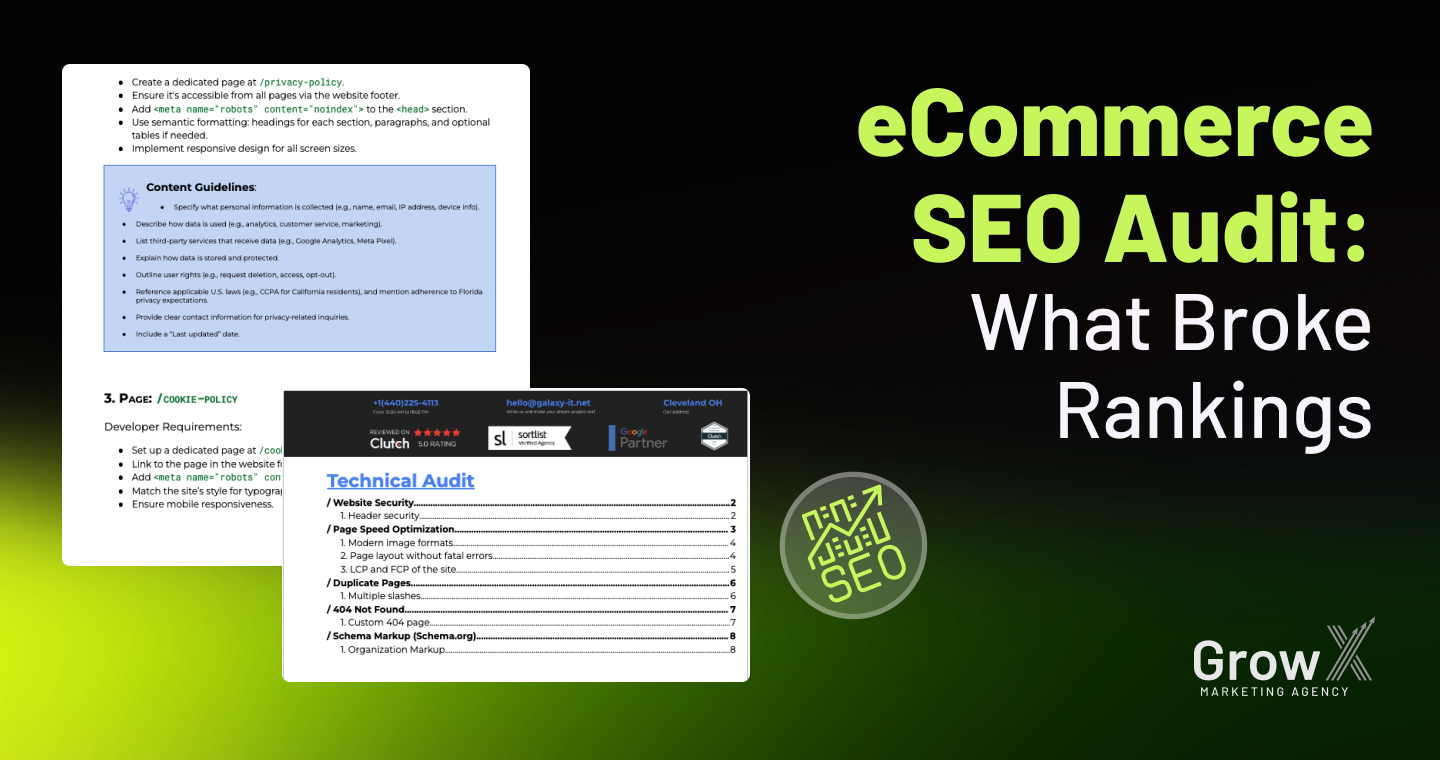
An ecommerce SEO audit is a deep analysis of an ecommerce website that helps identify technical issues, content problems and structural weaknesses affecting search rankings, traffic and sales.
Unlike standard SEO reviews, this type of audits must conduct analysis across hundreds or thousands of pages, including products, categories, filters and URL parameters. Even small technical problems can spread across the entire catalog and damage visibility in Google’s index.
If you want deeper ecommerce insights, explore our blogs about ecommerce.
What you’ll learn from this article:
An ecommerce SEO audit is a deep review of an online store that helps identify technical, structural and content problems affecting visibility, traffic and sales. Because ecommerce websites contain thousands of pages, even small issues can quickly impact the entire site.
SEO for e-commerce is more complex because large websites generate massive numbers of URLs, filters and category combinations. A normal website may only require basic on-page analysis, but ecommerce stores need deeper optimization across the full structure.
One broken technical setup can affect thousands of pages at once. That’s why ecommerce audits must conduct both technical and structural analysis carefully.

Search rankings rarely drop because of one single problem. Usually, several issues accumulate over time:
When these problems stack together, the ecommerce website loses visibility, traffic and eventually conversions.
Without proper optimization, search engines struggle to understand which pages should rank.
Technical analysis is a critical part of every ecommerce SEO audit because even small errors can affect thousands of pages. Ecommerce websites constantly generate new URLs, filters and duplicate variations, which makes optimization much more complex.
A proper SEO analysis site review helps identify crawl issues, indexing conflicts, slow pages and technical problems that reduce search rankings, visibility and conversions.
One of the first steps is reviewing Google Search Console data. This helps identify pages blocked from Google’s index, crawl anomalies, sitemap problems and indexing conflicts.
It is important to conduct regular checks on excluded pages, duplicate URLs and crawl waste created by filters or faceted navigation.
Site speed directly affects both SEO and user experience. Slow-loading product pages, oversized images and weak mobile optimization can reduce conversions and lower rankings.
A proper SEO analysis site review should conduct testing for:
Broken pages, redirect chains and sitemap errors can prevent search engines from crawling the ecommerce website correctly.
Technical optimization should identify and fix:
Product and category pages are the foundation of every ecommerce website, which means SEO problems at this level can directly affect both rankings and sales. In many stores, duplicated URLs, weak content structure and poor optimization slowly reduce visibility across large parts of the catalog.
A strong ecommerce SEO audit helps identify and fix issues that weaken relevance, confuse search engines or create duplicate versions of pages.
Large ecommerce stores often create thousands of duplicate URLs through filters and parameters. Proper canonical tags help search engines understand which version belongs in search results.
URL optimization should keep structures clean, logical and keyword-focused without creating unnecessary duplication.
Duplicate content remains one of the biggest ecommerce SEO problems. Similar product descriptions, repeated category text and copied manufacturer content weaken relevance signals.
An ecommerce SEO audit checklist should identify duplicate sections early and prioritize unique content optimization for important pages.
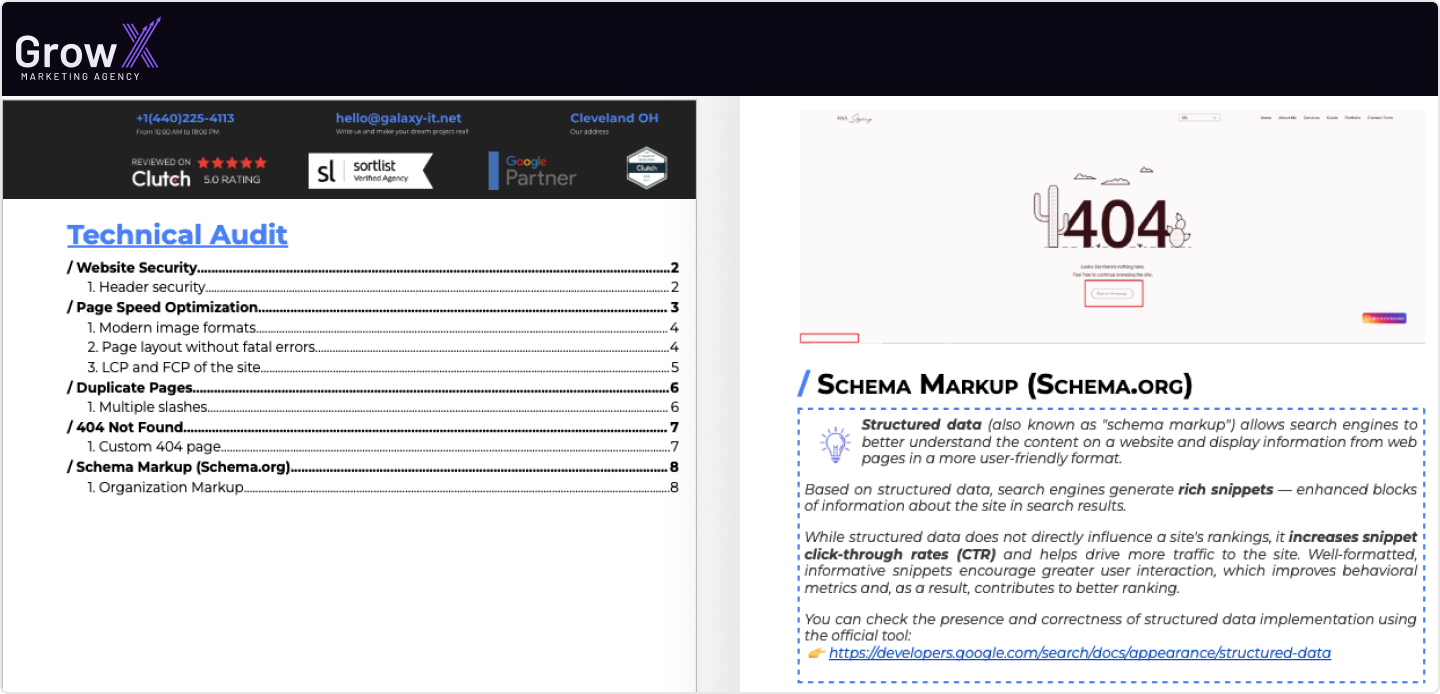
Structured data helps search engines understand product information more clearly, including:
This optimization can improve and increase visibility click-through rates in search results.
Site structure plays a major role in how search engines crawl and understand an ecommerce website. Even strong product pages can struggle to rank if categories, internal links or navigation create confusion.
A proper ecommerce SEO audit helps identify weak crawl paths, broken connections and structural problems that reduce visibility. Good optimization improves both user navigation and crawl efficiency, helping search engines reach important pages faster and understand the relationship between products and categories more clearly.
Broken internal links interrupt crawl flow and create poor navigation. Large ecommerce websites often develop these problems after category updates or product removals.
Regular on-page analysis helps identify crawl inefficiencies before they affect rankings.
Search engines rely heavily on category structure to understand ecommerce websites. Poor hierarchy creates confusion for both users and crawlers.
Strong optimization keeps categories logical, easy to navigate and properly connected through internal links.

Internal linking helps distribute authority across the site and improves crawl efficiency.
Related products, category links and contextual navigation help users discover products faster while improving SEO for e-commerce performance overall.
An ecommerce SEO audit is only valuable if the findings turn into clear optimization actions. Large ecommerce websites often contain dozens of technical, structural and on-page issues, but not all of them affect rankings or revenue equally.
The most effective approach is prioritizing fixes based on business impact, crawl importance and visibility loss. After implementation, continuous analysis helps track recovery, measure search rankings growth and identify whether the ecommerce website is improving in both traffic and conversions.
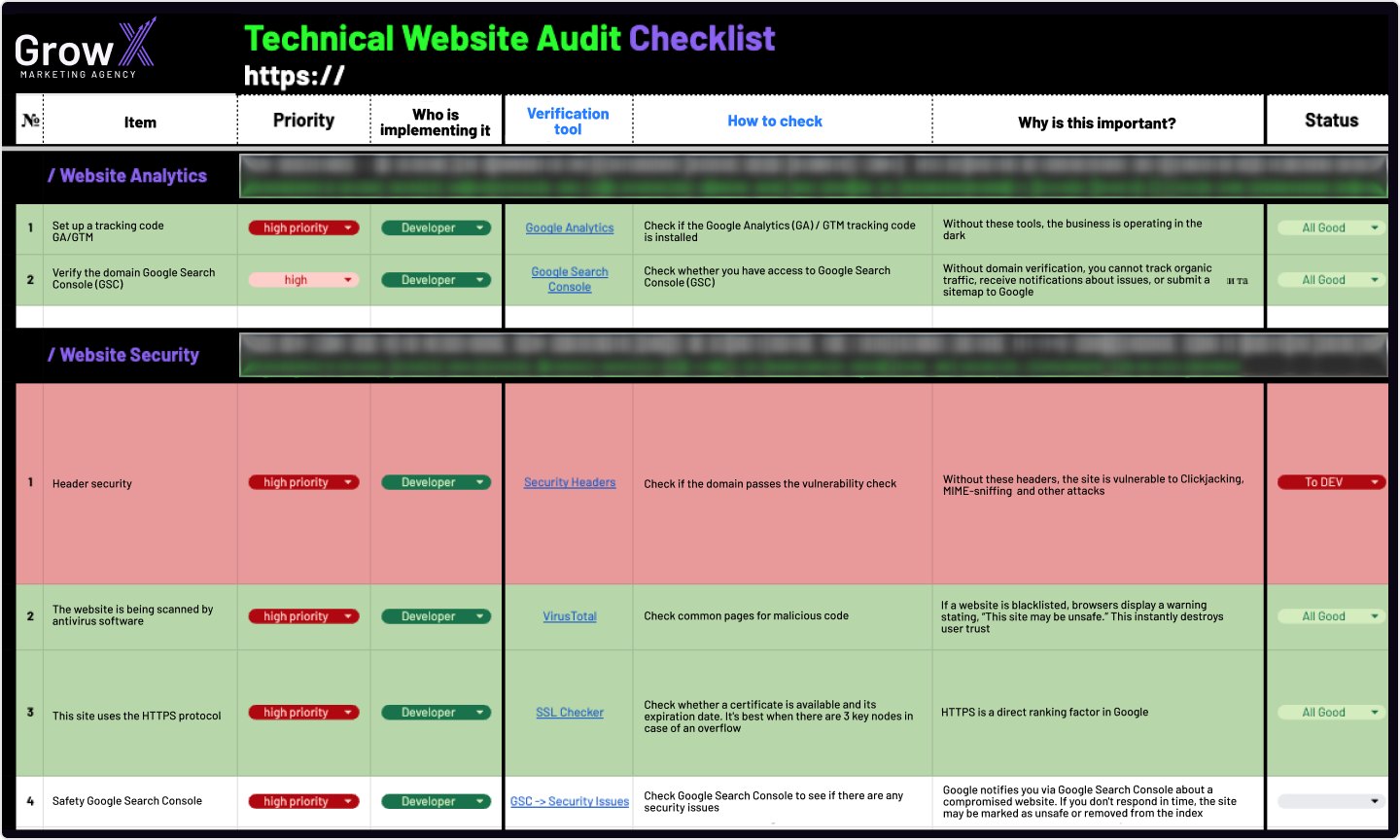
Not every issue requires the same urgency. A proper ecommerce SEO audit should prioritize fixes based on:
SEO recovery takes time, especially for large ecommerce websites. After fixes are implemented, it’s important to monitor:
Continuous analysis helps identify whether optimization efforts improve rankings and user behavior long term.
If you want professional support, explore our website SEO audit service or get a free price quote to increase visibility for your website.

An ecommerce SEO audit helps identify technical issues, duplicate content, crawl problems and structural weaknesses that reduce rankings and sales. It also improves optimization priorities and overall website performance.
Large ecommerce websites constantly generate new pages, filters and technical complexity. Regular audits help identify and fix issues before they damage Google’s index visibility, search rankings and conversions.