Social media algorithms: understanding their impact on content visibility & reach
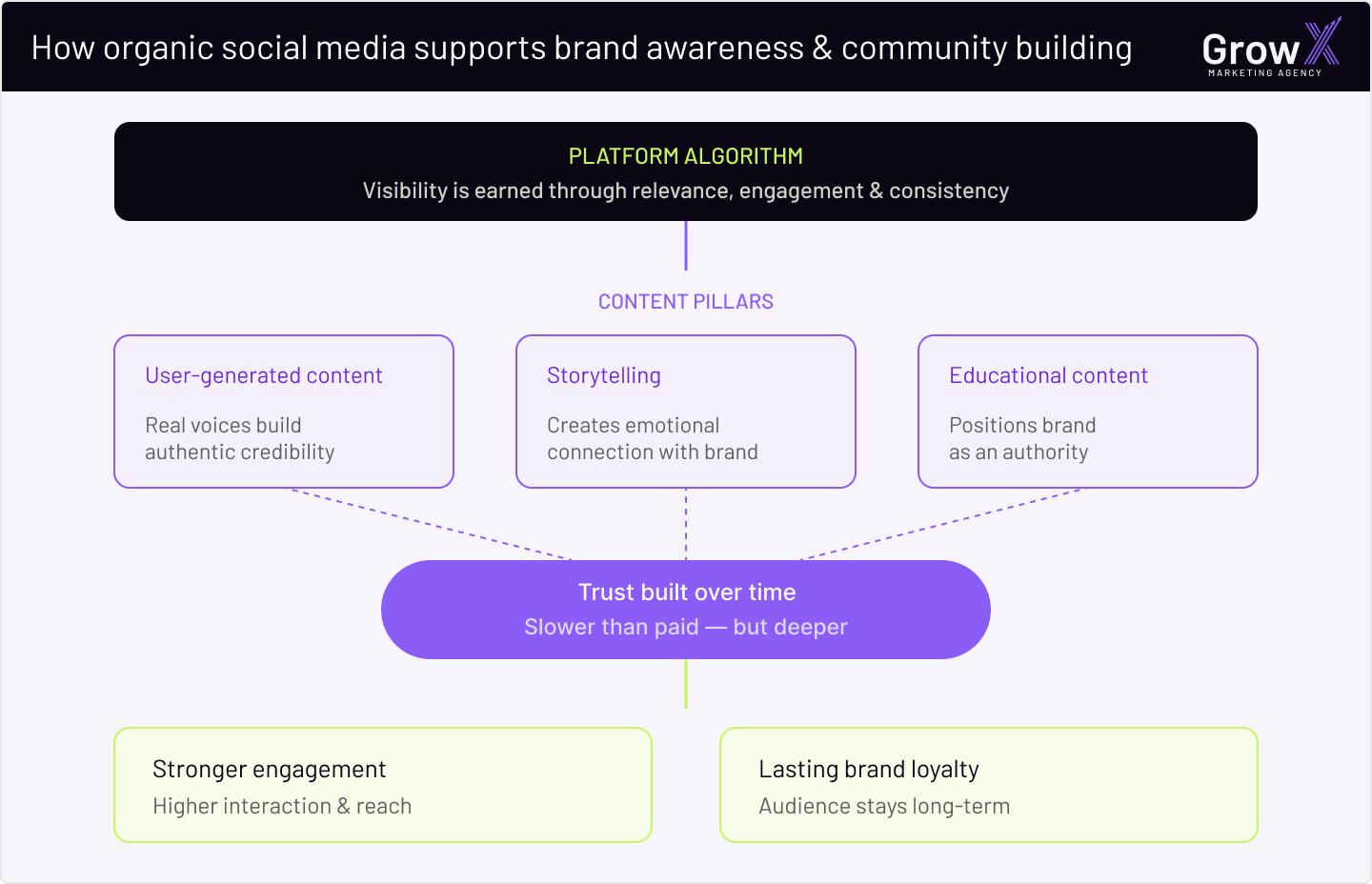
Social media algorithms determine what users see on their feeds. They are not myths - they are the systems that decide which content reaches the right audience.

A social media audit is a structured process used to evaluate how effectively a brand’s presence supports business objectives such as brand awareness, engagement and follower growth.
This process helps identify gaps between activity and results, especially when businesses already invest in these services but lack structured evaluation. You are not just reviewing content - you are evaluating performance, audience quality and strategic alignment.
What you'll learn:
For deeper insights into strategy frameworks, you can explore our approach to structure marketing and how it connects to performance systems.
A special example shows that audits are not only about metrics but also about strategic clarity. The purpose is to evaluate whether your content, channels and audience align with your business direction.
An effective audit goes beyond likes and impressions. It evaluates:
Modern theme analytics tools help connect engagement with real business outcomes rather than surface-level metrics.
You can also review real-world case applications in our social media audits services page.
It is important to define clear goals. These may include increasing brand awareness, improving lead generation or strengthening positioning.
Without clear goals, consider your audit as incomplete because results cannot be measured properly.
A structured audit evaluates each platform individually. Different channels perform differently, so a brand's social media presence must be reviewed per platform to understand strengths and weaknesses. This stage ensures the audit reflects reality, not assumptions.
A strong audit starts with technical and structural review of profiles.
This includes:
It helps identify whether profiles are optimized for discovery and conversion.
Professional media auditing often uses tools for tracking performance and sentiment. These tools improve accuracy of social media analytics, helping teams understand engagement trends and audience behavior.
Many companies using these services combine platform insights with external analytics tools for deeper evaluation.
Not every platform contributes equally. A strong audit evaluates whether channels like Instagram, LinkedIn or TikTok actually match business goals. This is where strategy matters more than activity.

Content is the core of every audit because it directly influences visibility, engagement and business results. Without evaluating how content performs, performing a social media audit becomes little more than reviewing account statistics. The goal is to understand which formats move users closer to business objectives and which consume time and budget without delivering measurable value.
A structured content strategy analysis helps identify which formats work best:
This also shows whether posting frequency supports long-term consistency.
Engagement is more than likes. A proper social media audit analyzes:
These metrics are central in social media analytics, especially when evaluating content effectiveness.
This process helps separate effective content from wasteful efforts. This allows teams to refine content strategy based on real performance data rather than assumptions.
At this stage, businesses often discover that only a small portion of media posts generate meaningful results.
A complete audit also evaluates how your brand performs in relation to competitors. Without this, it is impossible to understand whether your brand’s social media presence is strong or simply average within the market.
Competitive benchmarking is a key part of media auditing. It compares:
This helps identify whether competitors are outperforming you in specific channels or formats.
Share of voice measures how often your brand appears compared to competitors. Strong visibility increases brand awareness and improves positioning in crowded markets.
Modern analytics tools help quantify visibility and track how often users interact with your brand versus others in the same niche.

The final stage is turning insights into practical actions. Collecting data alone does not improve performance unless the findings are translated into a clear strategy. The goal is to identify what should be changed first, what can be optimized later and how each improvement supports broader business objectives.
An effective audit provides not only a list of issues but also specific recommendations that help improve content performance, audience engagement and overall marketing efficiency. This makes it easier for teams to move from analysis to measurable results.
It ranks issues based on their potential business impact and the effort required to resolve them. This prevents teams from spending time on minor improvements while larger performance problems remain unaddressed.
A typical prioritization includes:
By organizing recommendations in this way, businesses can allocate resources more efficiently, achieve faster improvements and build a roadmap for continuous optimization rather than making isolated changes.
The next step of this process is building a structured action plan. This often includes refining content strategy, improving engagement and aligning platforms with business goals.
Many companies using this service receive this plan in structured documents or dashboards, making execution easier and more measurable.
A proper audit helps businesses avoid wasted effort. Instead of guessing, teams rely on data-driven insights from social media analytics to guide decisions.
If your strategy is not delivering results, it is often not a content problem but a structural one.
Businesses that regularly perform a social media audit tend to:
To scale results further, businesses often combine audits with marketing business solutions, ensuring that insights translate into execution.