Social media algorithms: understanding their impact on content visibility & reach
Social media algorithms determine what users see on their feeds. They are not myths - they are the systems that decide which content reaches the right audience.
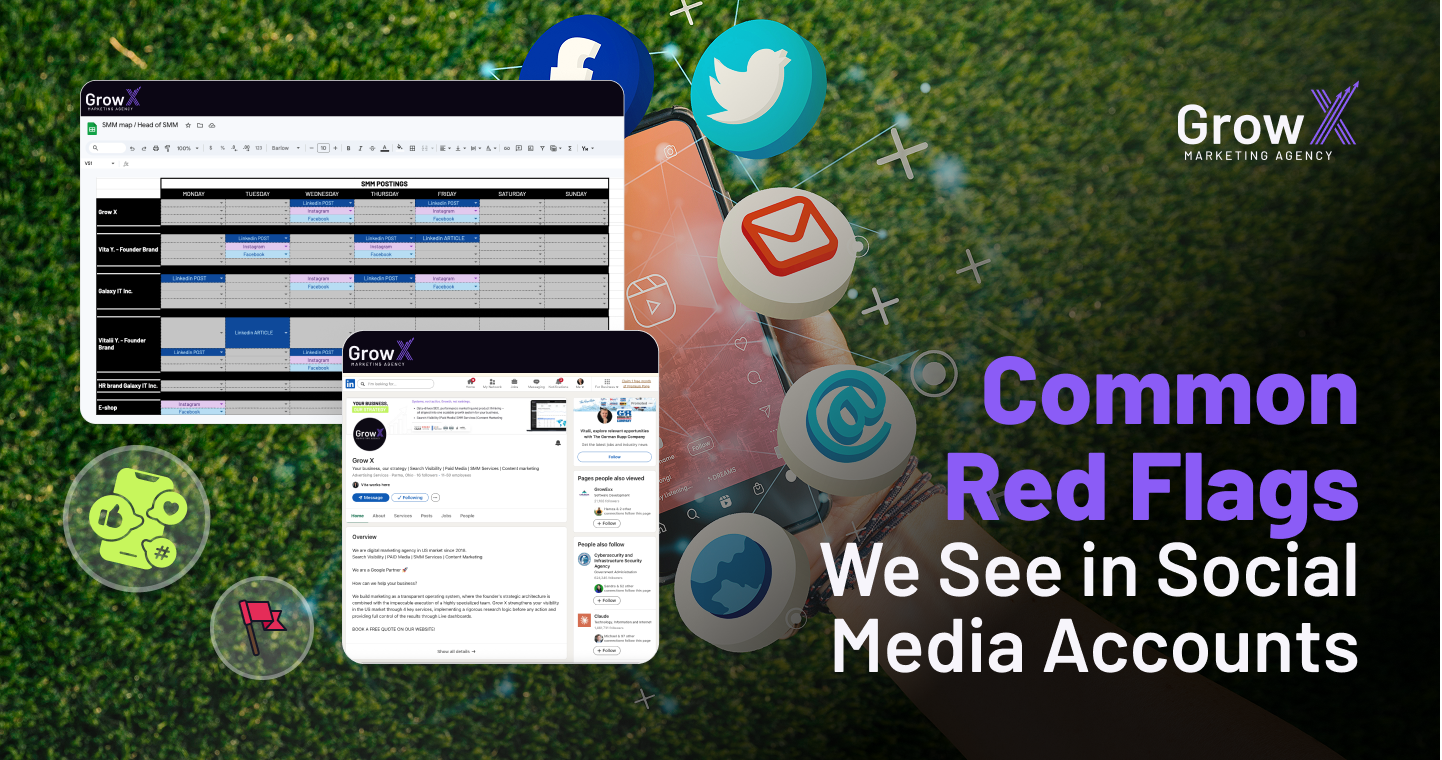
Social media accounts are often the first touchpoint between a brand and a potential customer. That’s why understanding red flag meaning in social media is critical. Even small issues can signal deeper problems, reduce trust and limit growth.
From inactive profiles to poor engagement, these red flags in social media can quietly damage performance. If you want to effectively manage social media accounts, you need to identify risks early and act before they escalate.
In this article, you will learn:
Red flags are warning signals that indicate issues in content, strategy or brand positioning. They usually appear as patterns, not one-time mistakes.
Common red flags in social media include irregular posting, low engagement, lack of responses and inconsistent messaging. These signals affect how both users and platforms perceive your social media accounts.
If ignored, they increase risk, reduce visibility and damage trust. Early analysis helps detect problems and fix them before they impact performance.
A red flag on Facebook or any platform can indicate inconsistency, lack of professionalism or even business inactivity. For brands, it may suggest poor management. For hiring, it may signal cultural mismatch.
These signals shape first impressions. A potential customer or recruiter will quickly assess credibility based on visible activity and behavior.
Trust is built through consistency and interaction. If an account shows low activity or ignores users, credibility drops.
Negative reviews left unanswered create reputational risk. Over time, these patterns reduce conversions and weaken brand perception.
Some red flags appear across all platforms:
Each of these signals can trigger algorithm decline and reduce visibility.
Different platforms highlight different risks, but the core issues remain similar. Each platform has its own behavior patterns, but warning signals often relate to consistency, engagement and content quality.
For example, a red flag on Facebook may be low interaction despite a large audience, while on LinkedIn it could be a lack of professional value or no response to comments. On Instagram, inconsistent posting or weak retention quickly reduces reach.
Understanding these differences helps you identify risks early and adjust your strategy for each platform instead of applying the same approach everywhere.
On LinkedIn, lack of professional insights or no engagement in comments is a clear warning sign.
A red flag on Facebook often includes outdated posts, ignored messages or negative reviews without response.
On Instagram, irregular activity or inconsistent visuals reduces perceived quality and reach.
Unclear messaging, controversial content or irrelevant posts damage credibility.
Fake followers are another major signal. If engagement is low but follower count is high, algorithms detect mismatch and reduce reach.
This creates long-term performance issues and weakens trust.

Poor execution in marketing strategy often reveals itself through visible patterns. These patterns show up in content quality, posting behavior and engagement signals across social media accounts.
Common red flags in social media include low-value posts, irregular activity, inflated metrics and lack of interaction with the audience. Over time, these issues reduce trust, limit reach and weaken brand positioning.
Consistent analysis helps identify these risks early. When you manage social media accounts with a clear strategy, it becomes easier to eliminate weak points and build sustainable performance.
Posts without value, like generic greetings, fail to engage users. They don’t create conversation or interest.
Low-quality visuals or unclear messaging reduce impact. Over time, this lowers engagement and visibility.
Inconsistent posting is a major issue. Posting too much and then disappearing signals instability.
A better approach is consistent activity. Even 2–3 quality posts per week outperform irregular spikes.
Ignoring comments is another critical mistake. Algorithms read interaction as a positive signal. No replies reduce distribution.
Metrics tell a clear story.
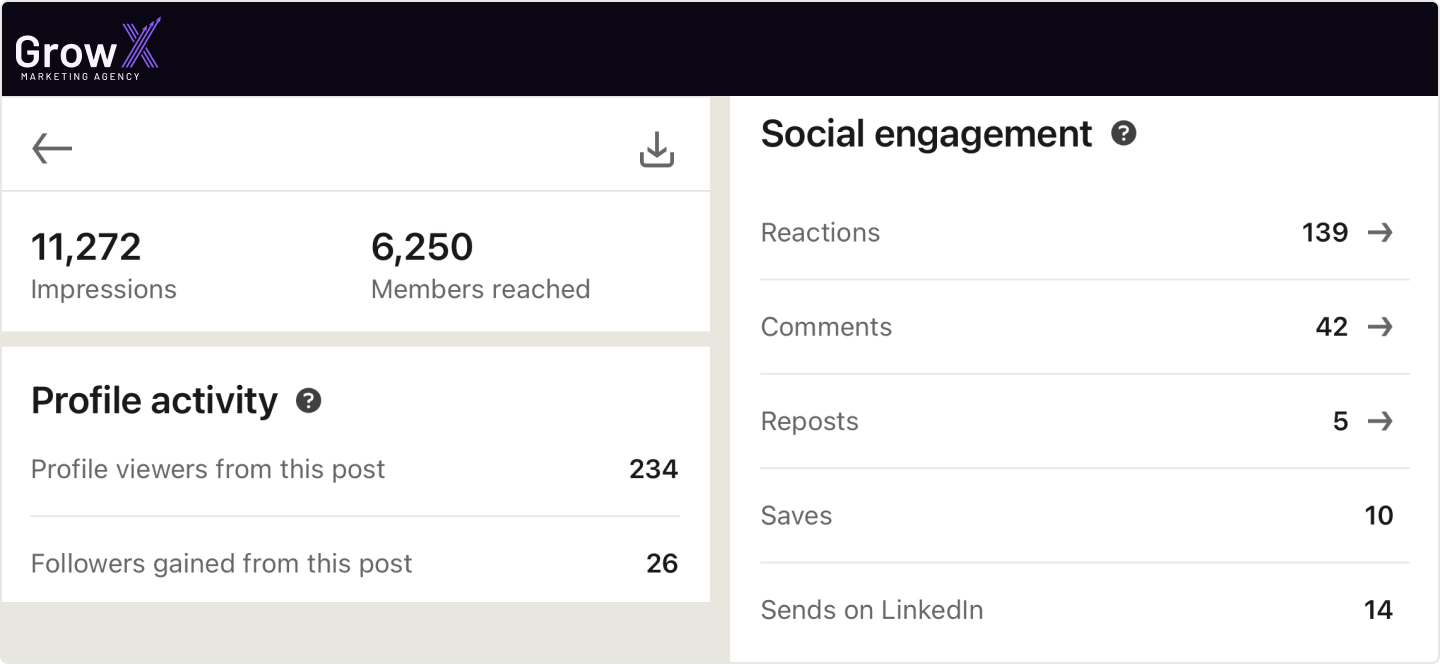
If engagement does not match follower count, it signals a problem. More followers and less engagement often indicates fake growth or poor content alignment.
For most brands, an engagement rate below average levels suggests declining relevance and rising risk.
Social media is not just a marketing tool. It is also a representation of your team and company culture. Every action your team takes online forms a signal that influences how your brand is perceived by a potential customer, partners and even future employees.
Red flags in social media at the team level can include unprofessional behavior, lack of response to comments, or sharing content that does not align with brand values. These issues may seem small, but they create risk for reputation and trust.
That’s why it’s important to manage social media accounts with clear guidelines and internal standards. Regular training and monitoring help teams stay consistent and avoid mistakes that could negatively impact the brand.
Reviewing social media accounts during hiring is common. Look for consistency, tone and professionalism.
Avoid focusing on isolated posts. Instead, analyze patterns of behavior and communication.
Sharing sensitive data, client details or internal information is a major red flag. This type of activity creates both legal exposure and reputational risk for social media accounts. Even a single mistake can lead to loss of trust from a potential customer and long-term damage to the brand.
Other risky content includes unverified claims, misleading information or posts that violate platform rules. Regular analysis helps identify these risks early and ensures compliance with best practices.
Training is essential. Teams must understand how their online activity reflects the brand and what signals they send to the audience. Without clear guidance, mistakes become more likely.
Clear internal guidelines, structured processes and ongoing review help manage social media accounts more effectively. Regular monitoring and feedback reduce errors and improve consistency across all channels.
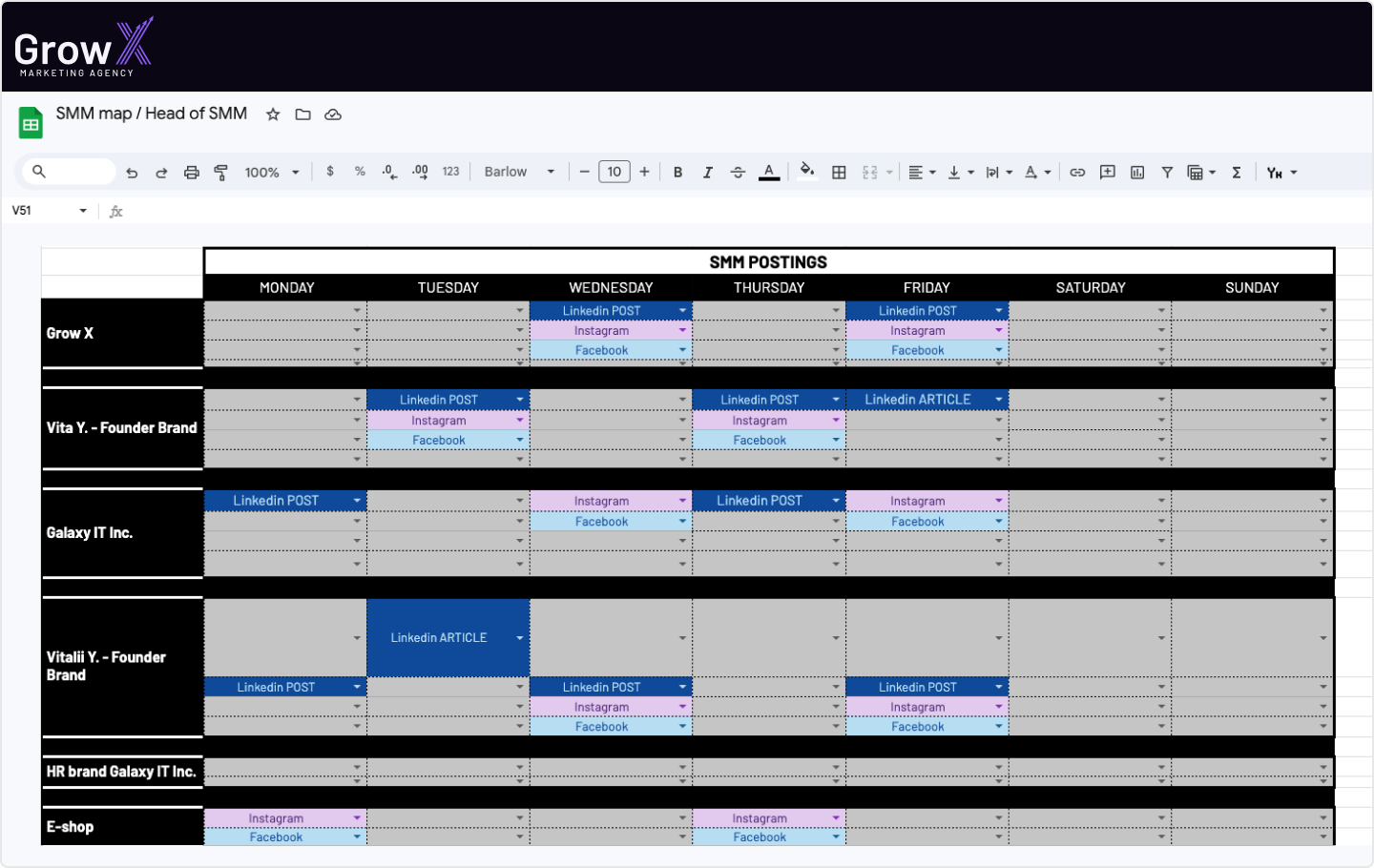
Avoiding risks is not enough. A strong strategy focuses on both protection and growth. Consistency, quality content and active engagement help build trust and strengthen brand positioning.
A structured approach includes:
A professional social media brand audit helps identify hidden issues and prioritize improvements.
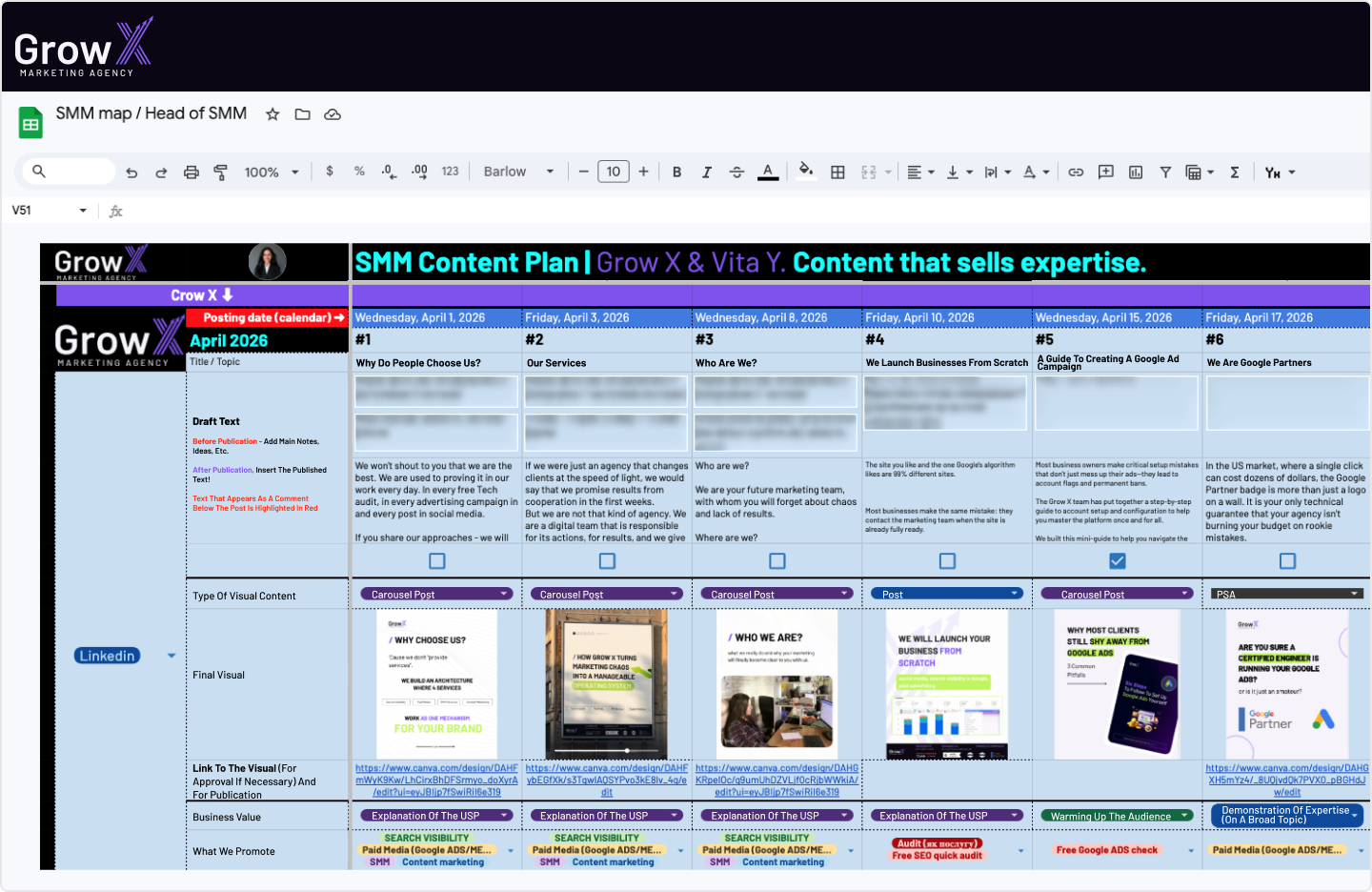
Engagement grows when content creates dialogue.
Responding to users, encouraging interaction and delivering value builds trust. This improves both visibility and loyalty.
Working with experienced growth marketing experts helps align strategy with real business goals.
Many brands experience a rapid rise followed by decline due to ignored signals.
For example, businesses that rely on viral growth without engagement often lose visibility quickly.
Ignoring negative reviews or user feedback can escalate into larger reputation issues.
If you need help identifying risks in your account, consider reaching a digital marketing expert near me for professional analysis.
They are warning signals that indicate issues in content, engagement or account management that may harm performance or reputation.
Not always. Some signals highlight areas for improvement rather than critical problems. Early detection allows you to fix them before they grow.
Yes. With proper analysis, strategy and consistent improvements, most issues can be resolved and turned into strengths.