Social media algorithms: understanding their impact on content visibility & reach
Social media algorithms determine what users see on their feeds. They are not myths - they are the systems that decide which content reaches the right audience.
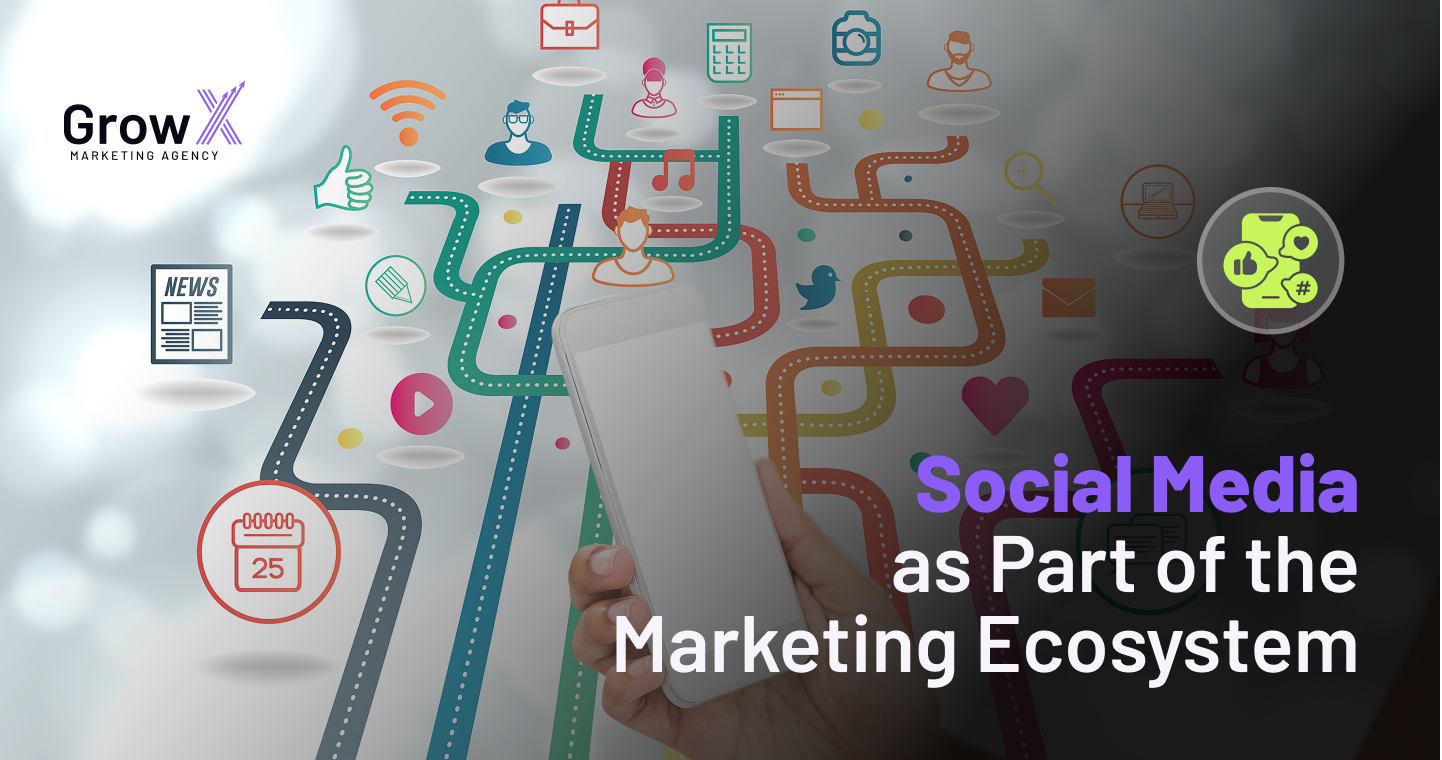
This type of marketing is no longer just about posting content or growing followers. In 2026, these platforms work as part of a larger marketing ecosystem where SEO, content, paid ads and brand communication support each other.
Strong activity also helps improve the performance of other channels by increasing familiarity and engagement before users even visit the website.
If you want to explore modern digital marketing strategies, visit SMM digital marketing.
What you’ll learn about social media’s real role in modern marketing:
This is most effective when it supports the overall business strategy instead of operating separately from it. The strongest brands use this type of media as part of a connected system where every channel supports shared business goals.
Social platforms usually work at multiple funnel stages at once. They generate awareness, support consideration and strengthen loyalty through ongoing communication.
For ecommerce brands, social media often creates mental familiarity before users search for the product directly. When people later see the brand in search results or ads, trust already exists.
Not every business generates direct leads from special platforms. In many industries, the biggest benefit comes from supporting other channels rather than replacing them.
Different content strengthens SEO visibility, improves paid campaign efficiency and builds trust before conversions happen elsewhere.
Strong strategies connect media with SEO, content marketing, email campaigns and paid ads.
Blog articles often become the basis for Reels, LinkedIn posts or short-form discussions, while social platforms drive traffic back to the website and amplify high-quality content. This creates stronger brand consistency and better long-term visibility.
Modern digital strategies rely on cross-channel collaboration and social media rarely works well in isolation.
Today, this type of marketing supports SEO, paid ads, email campaigns and content marketing by increasing visibility, strengthening brand recognition and keeping businesses present between customer interactions.
Brands with active communication often see better engagement across other channels because users already recognize and trust the company before visiting the website or clicking ads.
Social media helps distribute content faster and increase visibility around important topics. While special signals themselves are not direct ranking factors, they support awareness, engagement and traffic generation.
Different types of channels also improve the performance of paid campaigns. Brands with active communities and recognizable messaging often see lower acquisition costs because users already recognize the company before clicking ads.
One major role is helping brands stay consistently visible. Regular communication keeps businesses present in the audience’s attention even before purchase intent appears.
This builds trust over time and supports stronger engagement when users later interact with ads, emails or search results.
The strongest marketing systems connect all channels together instead of treating them separately.
Content plans, blogs, SEO and email campaigns should support the same themes, search intent and customer problems.
Explore modern social media trending insights in our blog.
Social media often works best as an amplifier for existing business communication and marketing efforts.
Instead of treating social platforms separately, businesses connect them with blog content, product launches, email campaigns and website updates to extend reach and engagement.
This approach strengthens online presence, keeps messaging more consistent across channels and helps brands quickly test audience reactions before scaling ideas into larger marketing campaigns.
Many brands now test content ideas on TikTok, Instagram Reels or LinkedIn before expanding them into larger campaigns.
Posts with strong engagement frequently become:
This helps businesses validate communication faster and reduce wasted marketing effort.
Different platforms support different communication styles. B2B companies may focus on LinkedIn discussions, while B2C brands often prioritize short-form video and community interaction.
The key is choosing platforms that match the audience and business model instead of trying to be active everywhere.
Social media is now one of the fastest communication channels between brands and customers. Quick replies in comments or direct messages often influence trust and conversions more than visuals alone.
Brands that invest in professional management of social media usually build stronger customer relationships and more active communities.
Social media works best when connected with the broader marketing infrastructure.
Today, brands integrate special platforms with SEO, websites, email campaigns, paid ads and content marketing to create a more consistent customer experience. This also helps test ideas quickly and improve messaging across other channels.
Social channels frequently drive traffic toward websites, product pages and expert blog content. At the same time, email campaigns often reuse topics and audience insights.
Consistency is critical inside the special media ecosystem. Messaging, offers and brand tone should remain aligned across websites, ads, content and email communication. This improves recognition and creates a more stable customer experience.
Social media supports multiple stages of the customer journey:
Its role may vary depending on the business model, but it often acts as the “connector” that keeps other marketing channels working more efficiently together.
The general value is not always visible through direct conversions alone.
Social media marketing often supports other channels by building awareness, trust and engagement before users make a purchase.
A strong ecosystem improves the performance of the entire marketing strategy, even when special platforms are not the final conversion point.
Follower counts and likes rarely show actual business impact. More meaningful measurement includes:
These metrics better reflect how social media contributes to broader business goals.
Many conversions happen after several touchpoints. Users may first discover a brand through social media, then later convert through Google Ads, email or direct website visits.
Social media is not always the final conversion channel, but it often strengthens every other channel around it.
Brands with active communities, consistent communication and recognizable positioning usually improve:
Explore broader our marketing services to build a connected digital ecosystem.
This is a connected marketing environment where social platforms work together with SEO, paid ads, content marketing, websites and email campaigns to support business growth and customer communication.
It helps businesses build trust, maintain visibility, support engagement and strengthen the performance of other marketing channels. It creates faster communication, supports branding and improves long-term customer relationships.