SEO Metrics That Actually Matter (and What Most Reports Completely Miss)
Most SEO reports look impressive but don’t help leaders make decisions. They list rankings, sessions and charts without explaining what actually drives revenue.
Many old SEO myths still influence how businesses optimize a website, even though search engines work very differently today. Outdated tactics and “guru advice” often focus on shortcuts instead of real quality, relevance and user experience.
Modern SEO is no longer about manipulating algorithms. Strong search results visibility now depends on useful, high-quality content, trust and how well a website satisfies user intent.
If you want deeper insights into modern SEO trends, explore the SEO experts blog.
What you’ll learn from this article:
Many outdated SEO ideas survive because old strategies once worked. Years ago, search engines relied heavily on simple signals like keyword repetition or backlink quantity. Today, ranking systems analyze context, authority, UX and behavioral patterns much more deeply.
Google moved from keyword-heavy evaluation toward understanding content quality, relevance and intent. Modern systems analyze whether a page genuinely helps users solve a problem instead of simply matching keywords.
This changed how websites compete for the first page and position in search results.
A lot of SEO content online is based on old case studies or surface-level testing. Many marketers repeat tactics without understanding how algorithms evolved.
Because of this, businesses often follow strategies that no longer improve website ranking and sometimes even ruin long-term visibility.
SEO isn’t a secret checklist. Strategies built around shortcuts, manipulation or unrealistic promises often ignore UX, authority and search intent.
In many cases, businesses hire an SEO company expecting instant growth, but aggressive tactics eventually damage trust and rankings.
Keyword optimization still matters, but modern SEO works very differently than it did years ago. Search engines no longer evaluate pages based only on how many times a keyword appears. Today, algorithms analyze context, relevance, search intent and overall content quality.
Many old SEO myths still push businesses toward over-optimization, exact-match repetition and artificial keyword placement. In reality, these tactics often hurt readability, weaken UX and reduce trust.
Modern optimization focuses on creating high-quality content that naturally covers a topic, answers user questions and supports better navigation across the website.
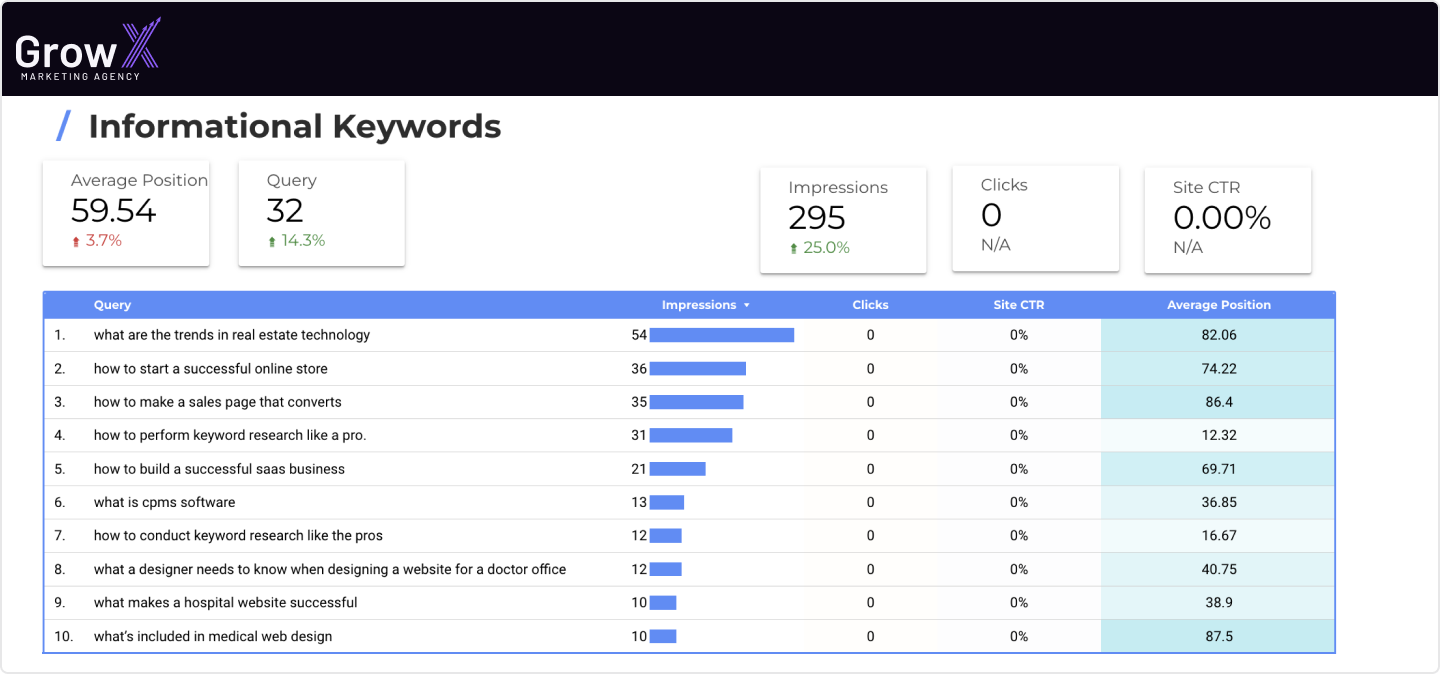
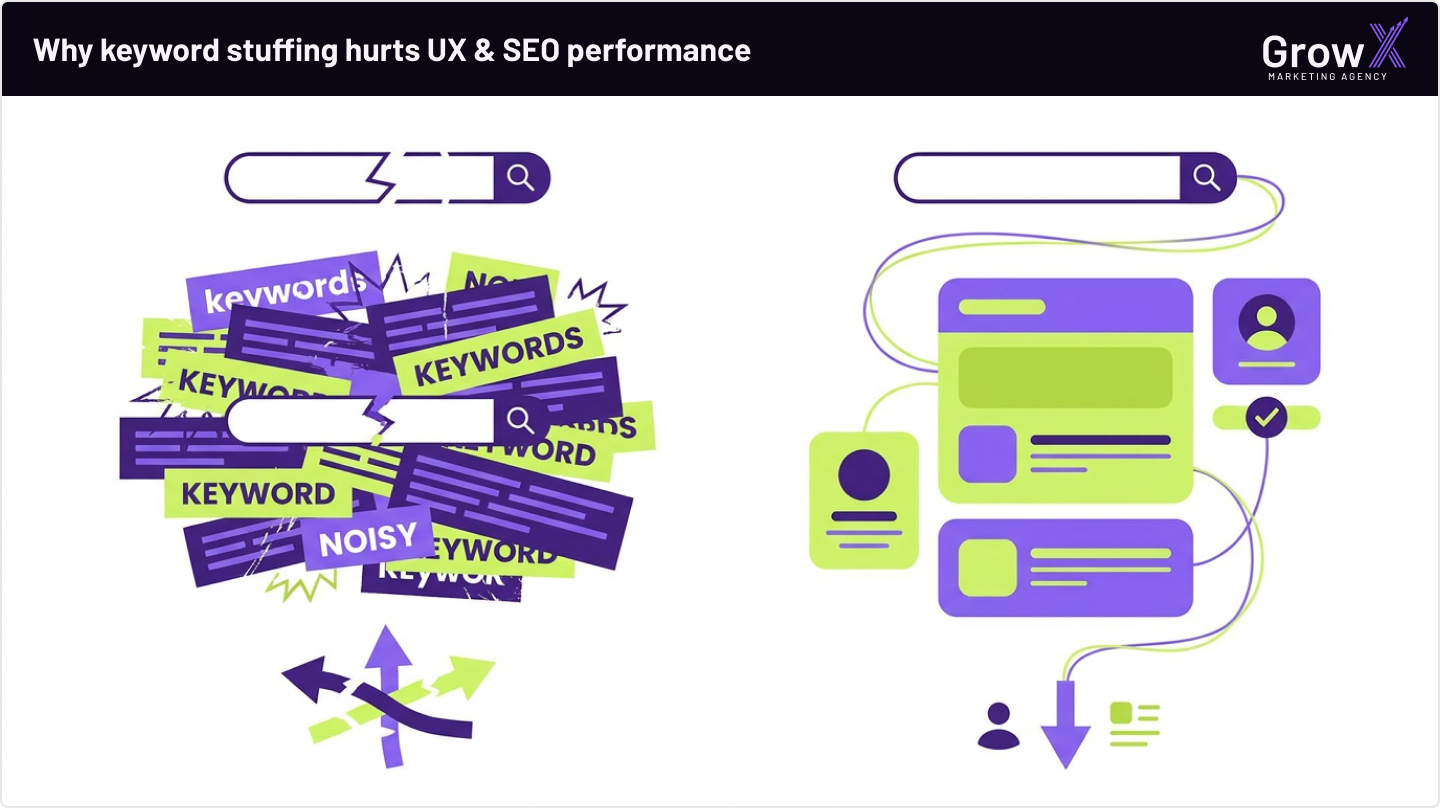
Stuffing pages with repeated phrases creates poor readability and weak user experience. Search engines now recognize unnatural optimization patterns very easily.
Overusing keywords can reduce trust, lower engagement and negatively impact visibility.
There is no ideal keyword density formula anymore. Google evaluates topics semantically, not by counting repetitions.
Modern keyword research focuses on intent, topical relevance and contextual meaning instead of forcing exact-match phrases into every paragraph.
Today, optimization means creating useful, structured and high-quality content around user intent.
Good SEO content naturally includes related terms, answers important questions and improves navigation across the website. It is designed for people first, not just algorithms.
Backlinks are still one of the strongest authority signals in SEO, but Google evaluates them very differently today. Years ago, many websites could increase rankings simply by building large volumes of links. In 2026, quality matters far more than quantity.
Modern algorithms analyze relevance, trust, context and how naturally links fit within content. A few strong backlinks from credible sources usually provide more value than hundreds of low-quality links.
Authority is no longer built through aggressive link building alone. Search engines now evaluate the overall reputation of a website, content quality, user engagement and topical expertise together.
Large volumes of spammy links no longer help websites increase rankings. Search engines now identify manipulative patterns far more accurately.

Low-quality backlinks can actually ruin domain trust and weaken long-term SEO performance.
A few strong and relevant backlinks usually provide more value than hundreds of weak ones.
Authority today comes from:
Modern algorithms evaluate the relationship between linking websites, user engagement signals and contextual relevance.
Links that appear natural and genuinely helpful contribute far more to visibility than artificial link-building schemes.
Many on-page SEO myths still confuse marketers because older tactics continue circulating across blogs, forums and outdated guides. In reality, modern SEO is far more focused on user experience, content clarity and search intent than on isolated technical tricks.
Some elements still support visibility and better search results, while others are often misunderstood or overestimated. Search engines now evaluate pages more holistically by analyzing relevance, engagement, structure and overall page quality instead of relying on a simple checklist approach.
Meta descriptions are not direct ranking factors. However, they strongly influence CTR and engagement in search results.
A strong description helps users quickly understand page value and improves the chance of earning clicks from the first page.
Bounce rate itself is not a direct Google ranking factor. What matters more is the context behind user behavior and whether the page satisfies search intent.
For example, if users land on a page, quickly find the information they need and leave, that does not automatically signal poor quality. In many cases, it means the content solved the problem efficiently.
Search engines pay more attention to broader engagement patterns like content relevance, interaction quality and overall user satisfaction. A page with strong UX, clear structure and valuable information can still perform well even with shorter sessions or high bounce rates.
Search engines increasingly evaluate behavioral signals connected to satisfaction and usability.
Good UX, page clarity, internal navigation and helpful content all support stronger visibility over time.
Even elements like image optimization and alt text contribute to accessibility and better user experience.

AI changed how businesses create content, scale production and approach SEO. It made publishing faster and more accessible, but it also introduced major quality challenges across search results. Today, search engines evaluate not just how content is produced, but whether it genuinely helps users and delivers useful information.
Yes. AI-generated content can rank well if it provides real value, matches search intent and demonstrates expertise. Google does not automatically penalize AI content simply because it was created with automation.
The real issue appears when businesses publish massive amounts of low-quality pages without originality, depth or editorial review. Thin, repetitive and generic content often struggles because it creates poor UX and weak engagement signals.
Programmatic SEO can work very effectively when pages are genuinely useful, well-structured and built around specific user needs. It helps scale content for categories, locations or product variations while still maintaining relevance and quality.
Problems start when automation is used only to increase website visibility without adding unique value. Mass-produced pages with duplicated structures, weak information or no real expertise often fail to perform and can eventually ruin long-term website ranking.
Modern systems analyze:
Thin AI content without real expertise struggles to maintain strong search results visibility long term.
That’s why businesses increasingly combine automation with expert-led SEO strategy and structured digital marketing solutions.
Explore our modern SEO service and broader digital marketing solutions to build sustainable growth in 2026.