SEO Metrics That Actually Matter (and What Most Reports Completely Miss)
Most SEO reports look impressive but don’t help leaders make decisions. They list rankings, sessions and charts without explaining what actually drives revenue.
Many businesses still ask what SEO is and assume it revolves around keywords or backlinks. In reality, the modern SEO definition is much broader.
Today, SEO is a system that helps search engines understand website structure, content quality, user behavior and intent. Rather than reading pages like people do, Google evaluates signals related to relevance, authority and usefulness.
Effective SEO is not built on isolated tactics. Search engines discover pages, analyze their content and trust signals, then determine their position on the results page.
If you want more practical insights, explore our SEO experts blog.
What you'll learn about modern SEO in this article:
Modern search engines go through several stages before a page can rank. Understanding this process is essential for effective SEO.
Search engines rely on signals rather than reading websites like humans. They evaluate content, structure, relevance and trust to determine whether a page deserves visibility.
The process includes crawling, indexing and ranking. The better search engines can understand a website, the easier it becomes to improve visibility and long-term SEO performance.
The first step is discovery. Search engine bots crawl websites through links and sitemaps to find new or updated pages.
If pages cannot be reached because of technical barriers, poor internal linking or crawl restrictions, they may never become visible in search.
Finding a page does not guarantee inclusion in special results.
During indexing, Google evaluates content quality, uniqueness and usefulness before deciding whether the page deserves a place in its database. Low-value or duplicate pages may be ignored.

Modern algorithms analyze meaning rather than individual words alone.
They evaluate the topic, relationships between concepts and how well content answers the broader needs behind a query. People search for solutions, not just keywords and search engines increasingly understand that distinction.
Ranking is not controlled by a single factor. It is the result of hundreds of signals working together.
Search systems evaluate websites based on relevance, authority, technical quality and user satisfaction. Google analyzes how these signals interact across the entire website rather than relying on one ranking factor.
A page with strong content may still struggle because of weak authority or technical issues. Likewise, a technically optimized page may not rank well if it fails to match user intent.
The focus of SEO today is topic coverage and intent satisfaction.
Strong pages answer the main question while also addressing related concerns users may have. Comprehensive content usually performs better than pages optimized around a single keyword phrase.
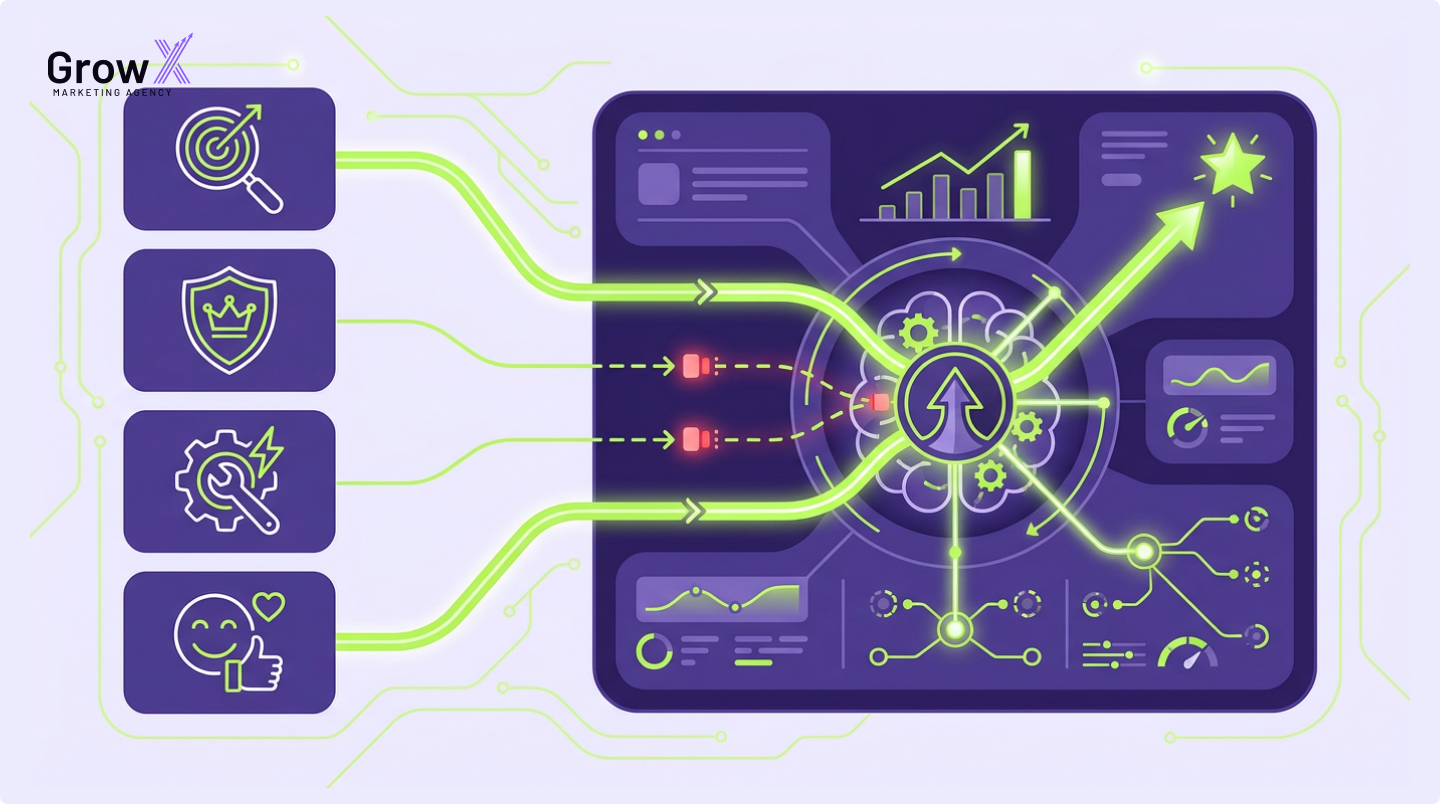
Search engines evaluate whether a website appears trustworthy.
Authority signals include backlinks, brand reputation, technical quality and overall site credibility. Off-page optimization remains important because trusted references from other websites help validate expertise.
User behavior helps search engines understand satisfaction.
When visitors engage with content, navigate deeper into the site and find useful information, those signals often support stronger performance. Negative engagement patterns may indicate that content does not meet expectations.
Successful SEO starts long before content creation.
Effective SEO begins with understanding intent, user demand and business goals. Before creating content, specialists analyze how people search and which topics offer the greatest opportunities.
A strong strategy connects content, site structure, technical performance and authority into one system. Rather than focusing only on keywords, modern SEO aims to build topical relevance and sustainable long-term growth.
Modern keyword research is not simply about finding phrases with volume. The best SEO strategies map content to actual demand and intent rather than targeting keywords in isolation.
Search engines increasingly evaluate expertise across entire subjects.
Topic clusters connect related pages around a central theme, helping Google understand that the website provides comprehensive coverage of a subject area.
Content should be organized logically.
Clear headings, supporting sections, relevant examples and structured information help search engines interpret content more accurately while improving user experience.
Businesses investing in unique SEO content often see stronger long-term results because depth and clarity support both users and algorithms.
On-page SEO is not just technical optimization. It helps search engines understand content more clearly.
The goal is to create clear signals about a page’s topic, relevance and purpose. Elements such as content structure, headings and internal links help search engines interpret information and match it with user intent.
When these signals work together, both search engine understanding and user experience improve.
Page titles remain one of the strongest relevance signals. They help search engines understand a page’s topic and influence how it appears on the results page.
A well-written meta description can improve click-through rates by explaining page value before users visit. Headings, image alt attributes and structured content further support topical relevance and search engine understanding.
Internal links help distribute authority and guide crawlers through the website. They also help search engines discover important pages and understand relationships between topics.
A clear site structure makes navigation easier for both users and search engines. Strong architecture supports discovery, indexing and the distribution of ranking signals across important pages.
Semantic optimization focuses on meaning rather than repetition.
Using descriptive headings, relevant terminology, image alt attributes and logical organization helps search engines better understand context.

Many websites struggle not because of poor content, but because of deeper structural issues.
SEO problems are often caused by technical barriers, weak architecture, indexing issues, poor internal linking or content that does not match user intent. When these problems accumulate, they limit overall site performance.
Because SEO works as a connected system, weaknesses in crawling, indexing or relevance can reduce rankings even when other areas are well optimized.
Technical problems often prevent growth.
Common issues include blocked pages, crawl errors, duplicate URLs and poor site architecture. Even excellent content cannot rank if search engines cannot access or understand it properly.
Sometimes pages rank poorly because they solve the wrong problem.
A page may be optimized correctly from a technical perspective but still fail if it does not match the intent behind what people search.
Search engines continuously evaluate content quality. Thin content, duplication and weak expertise signals can reduce visibility even when basic optimization is in place.
As algorithms evolve, effective SEO requires ongoing improvements in relevance, authority and user experience.
Businesses working with experienced growth marketing experts and a structured SEO service approach are often better positioned to adapt to these changes and maintain long-term visibility.

SEO works by helping search engines discover, understand and evaluate a website. Search engines crawl pages, analyze content, assess trust signals and compare relevance against competing results before determining rankings.
The process typically follows five stages:
SEO then continues through ongoing optimization, content improvements and authority building.